Twelve Inches of Rain While They Slept
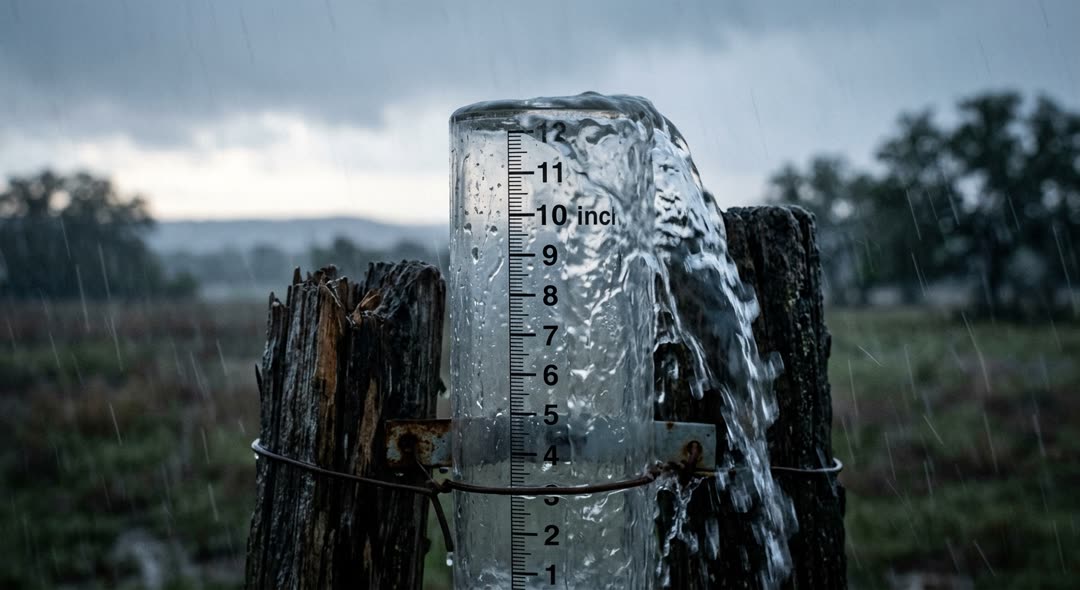
Rain on tin. It came down over Kerr County in the dark, and it did not let up. By the small hours the water had a sound of its own.
Before dawn on July 4, 2025, rain gauges in Kerr County, Texas, were logging what would total more than eleven inches. The reports began stacking up after four in the morning, hour by hour. Northwest of San Angelo, gauges read higher still, past thirteen inches. The county had not yet woken to what the numbers meant.
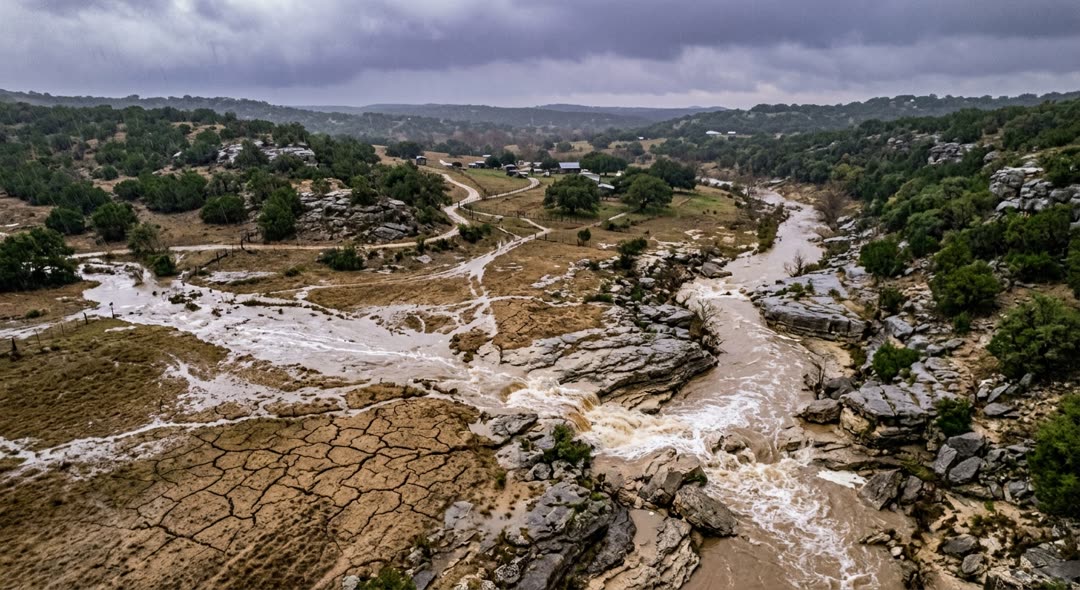
The Hill Country in central Texas floods easily. Its dry, dirt-packed ground lets rain skid along the surface instead of soaking in, and the creeks and rivers rise fast. Heading into the Fourth of July weekend, the Texas Division of Emergency Management activated state response resources, anticipating heavy rainfall across West and Central Texas. Nim Kidd, the Texas Emergency Management Chief, urged people to “Turn Around, Don’t Drown.” The National Weather Service issued a flood watch midday Thursday, July 3. The warnings went out. Not since 1976, when the Big Thompson Canyon flood in Colorado killed 144 people, had inland floodwater in the United States been this deadly.
The storm dropped most of its twelve inches of rain in the dark early morning hours of July 4, while people slept, and the runoff sent rushing water down into the Guadalupe River, which cuts through the Hill Country outside San Antonio. Around 4 a.m. the National Weather Service office issued an urgent warning, raising the potential of catastrophic damage and a severe threat to human life. The river rose twenty-six feet in forty-five minutes. By 5:20 a.m., residents in the Kerrville area said the water was getting alarmingly high.
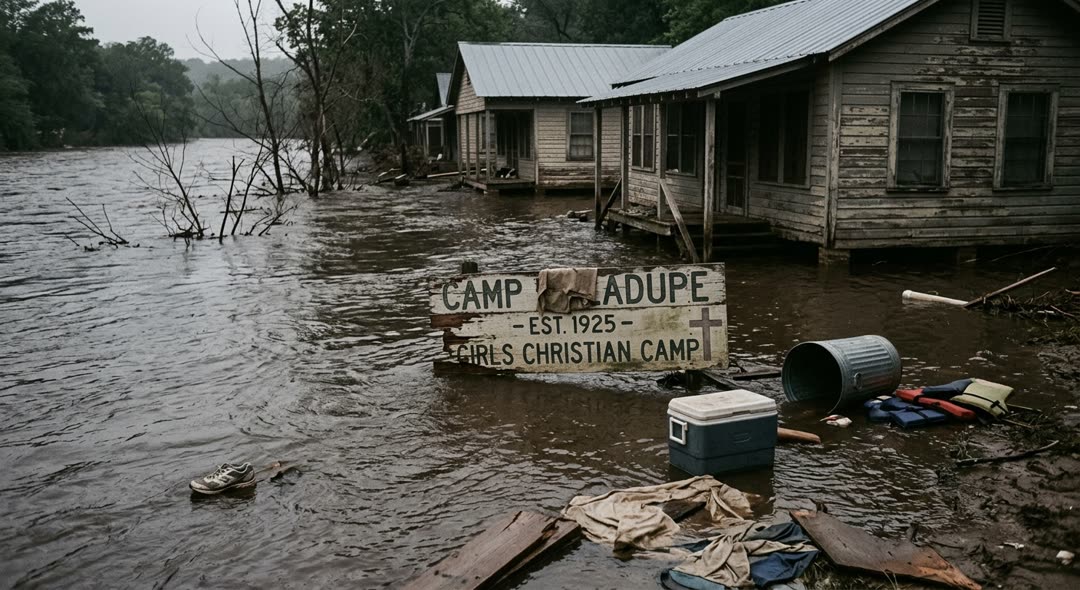
Along the river sat Camp Mystic, a century-old all-girls Christian summer camp. Two days earlier, on July 2, Texas inspectors had signed off on the camp’s emergency planning. At least twenty-seven campers and counselors died there. Richard “Dick” Eastland, the camp’s director, died trying to save some of the young girls.
Searchers found the bodies of eighty-seven people in Kerr County, thirty of them children, and fatalities in nearby counties pushed the total to at least 118. More than 160 people were believed missing, many of them staying in the area but not registered at a camp or hotel. It was the deadliest inland flooding in the United States since 1976, when Colorado’s Big Thompson Canyon flood killed 144.
By late morning the rain over Kerr County had stopped, and the Guadalupe began to fall back toward its banks. Along the water, the searching went on.
Rain fell over Kerr County, Texas, in the dark. It did not stop. By the early morning, the water made its own sound.
Before dawn on July 4, 2025, rain gauges in Kerr County logged more than eleven inches. The reports began after four in the morning. They stacked up, hour by hour. Northwest of San Angelo, gauges read higher, past thirteen inches. The county did not yet know what the numbers meant.
The Hill Country in central Texas floods easily. The ground is dry and packed hard. Rain runs along the top instead of soaking in. So the creeks and rivers rise fast.
Before the Fourth of July weekend, the Texas Division of Emergency Management got its response resources ready. They expected heavy rain across West and Central Texas. Nim Kidd, the Texas Emergency Management Chief, told people to “Turn Around, Don’t Drown.” The National Weather Service issued a flood watch at midday on Thursday, July 3. The warnings went out.
The storm dropped most of its twelve inches of rain in the dark early morning of July 4. People slept. The water rushed down into the Guadalupe River. This river cuts through the Hill Country outside San Antonio.
Around 4 a.m. the National Weather Service issued an urgent warning. It said there could be catastrophic damage and a severe threat to human life. The river rose twenty-six feet in forty-five minutes. The water kept rising. By 5:20 a.m., people in the Kerrville area said the water was getting alarmingly high.
Camp Mystic sat along the river. It was a century-old all-girls Christian summer camp. Two days earlier, on July 2, Texas inspectors signed off on the camp’s emergency planning. At least twenty-seven campers and counselors died there. Richard “Dick” Eastland, the camp’s director, died when he tried to save some of the young girls.
Searchers found the bodies of eighty-seven people in Kerr County. Thirty of them were children. Deaths in nearby counties pushed the total to at least 118. More than 160 people were believed missing. Many were staying in the area but were not registered at a camp or hotel.
This was the deadliest inland flooding in the United States since 1976. That year, Colorado’s Big Thompson Canyon flood killed 144 people.
By late morning the rain over Kerr County stopped. The Guadalupe began to fall back toward its banks. Along the water, the searching went on.
Words to learn
Sentence patterns
Not since 1976, when the Big Thompson Canyon flood in Colorado killed 144 people, had inland floodwater in the United States been this deadly.Not since 1918, when a single illness swept across the globe, had so many city streets stood empty at midday.
Heading into the Fourth of July weekend, the Texas Division of Emergency Management activated state response resources, anticipating heavy rainfall across West and Central Texas.Walking home through the storm, she noticed that the drains had already begun to overflow.
Along the river sat Camp Mystic, a century-old all-girls Christian summer camp.At the edge of the village stood an old stone mill, silent for decades.
Searchers found the bodies of eighty-seven people in Kerr County.The teacher found the book under the desk.
Richard “Dick” Eastland, the camp’s director, died when he tried to save some of the young girls.The children ran inside when the rain started.
The ground is dry and packed hard.The soup is hot and very tasty.
Discussion questions
- Warnings such as “Turn Around, Don’t Drown” and a flood watch went out before the water rose, yet many lives were still lost. Why might official warnings fail to reach or move people in time, and how do you personally decide when to act on a weather warning?
- Texas inspectors signed off on Camp Mystic’s emergency planning just two days before the flood. What does this suggest about the limits of planning against sudden natural events, and how much do you trust official safety approvals where you live?
- The story notes that many missing people were staying in the area but not registered at any camp or hotel, which made them hard to account for. What responsibilities do communities have toward visitors during a disaster, and have you ever felt unprepared while traveling somewhere unfamiliar?
- Do you think the warnings helped people stay safe? Why do you think so?
- Would you feel safe near a river when heavy rain falls? Why or why not?
- Why do you think the camp’s director tried to save the young girls?