The Table Turned on Its Side

Small bells of static, then nothing. The tape recorder in the Virginia debriefing room stopped while William Jones was mid-sentence, describing where each person stood and the firing of the shots. The audiotape was said to run from 4:16 p.m. to 6:16 p.m., but it holds only about an hour and three-quarters of material.
On August 6, 1997, in that debriefing room, a prosecutor named Cathy E. Krinick stopped the recorder as Jones gave his account of the 1996 killing of Eric Nesbitt. Jones, the co-defendant in a capital murder case, was telling his version of how Nesbitt was robbed, forced to withdraw money, and killed. He would be sentenced to life in prison. The man tried alongside him, Atkins, would be sentenced to death.
Daryl Atkins was the petitioner, convicted of capital murder and related crimes by a Virginia jury and sentenced to death. He argued that he could not be executed because he is mentally retarded. The Virginia Supreme Court affirmed his conviction and sentence, leaning on Penry v. Lynaugh, the Supreme Court’s earlier decision that had let such executions stand. In Penry, the Court had counted only two state statutes that prohibited executing mentally retarded offenders, and even added to the fourteen States that had rejected capital punishment entirely, it found no national consensus. The numbers were small. By the time Atkins’s case reached the Court again, just over a decade after Penry, a significant number of States had concluded that death was not a suitable punishment for a mentally retarded criminal, and not a single State had moved in the other direction.
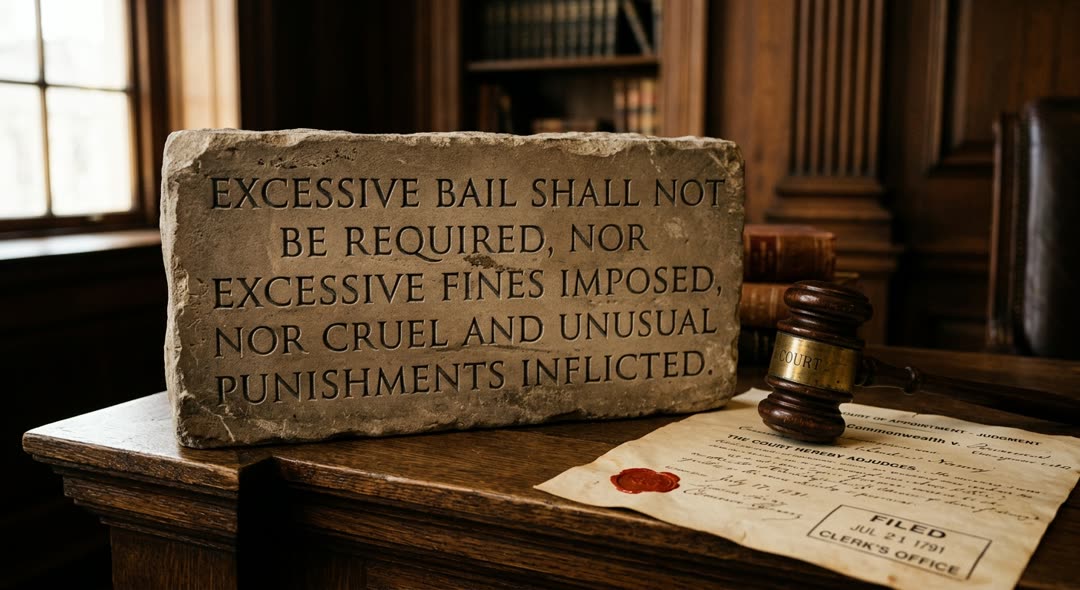
On June 20, 2002, Justice John Paul Stevens delivers the opinion of the Court. The Court holds that executing a mentally retarded criminal is a “cruel and unusual” punishment barred by the Eighth Amendment, the clause under which a penalty is forbidden when it is not graduated and proportioned to the offense. Excessiveness, Stevens writes, is measured against the country’s currently prevailing standards of decency, read through objective factors such as the legislation the states have enacted. By that count a significant number of states had decided death was not a suitable punishment for such an offender, and not one had moved the other way. The judgment of the Virginia Supreme Court is reversed and remanded.
Clinical definitions of mental retardation ask for subaverage intellectual functioning together with significant limitations in adaptive skills, conditions that, by the Court’s account, leave a person with a diminished capacity to reason, to learn from experience, and to control impulses. The severity of a punishment, the Court reasons, must be proportioned to the offender’s own culpability. Against the two justifications that underpin the death penalty, retribution and deterrence, the Court finds a serious question whether either reaches a mentally retarded offender, whose lesser blame does not earn death and whose impairments dull the deterrent force of the threat.
The same prosecutors who stopped the tape worked Jones’s account over until it matched the physical evidence and put the gun in Atkins’s hand, naming him the triggerman. That label was what made him eligible for death in the first place. It was built, in part, in a room where the recorder did not run the whole time.
After the ruling, the question of whether a criminal could be put to death would pass to physicians and psychologists, asked to assess whether the person was eligible for the death penalty.
A tape recorder stopped. William Jones was still talking. He was describing each person’s place and how the shots were fired. The tape was said to run from 4:16 p.m. to 6:16 p.m. But it holds only about one hour and three-quarters of sound.
On August 6, 1997, Jones spoke in a Virginia debriefing room. A prosecutor named Cathy E. Krinick stopped the recorder. He was still talking. Jones was describing the 1996 killing of Eric Nesbitt. He said Nesbitt was robbed, forced to take out money, and then killed. Jones was the co-defendant in the case. He was sent to prison for life. The other man, Atkins, was sentenced to death.
Daryl Atkins was found guilty of capital murder by a Virginia jury. He was sentenced to death. He argued that he could not be executed because he is mentally retarded. The Virginia Supreme Court agreed with the death sentence. It leaned on an earlier case called Penry v. Lynaugh. In Penry, the Court found only two states that banned such executions. So it found no national agreement. By the time Atkins’s case returned, more than ten years had passed. Now many states had decided death was not right for a mentally retarded person. Not one state had moved the other way.
On June 20, 2002, Justice John Paul Stevens gave the opinion of the Court. The Court held that executing a mentally retarded criminal is a “cruel and unusual” punishment. This is barred by the Eighth Amendment. A penalty is wrong when it does not match the offense. Stevens wrote that this is measured against the country’s standards of decency. The judges read these through the laws that states have made. The Virginia decision was reversed.
Mental retardation means weak intellectual functioning and limited everyday skills. The Court said such a person has less ability to reason, to learn, and to control impulses. So the punishment must match the person’s own blame. The death penalty rests on two ideas: retribution and deterrence. The Court asked whether either one really reaches a mentally retarded offender.
The same prosecutors worked on Jones’s account. They shaped it to match the physical evidence. They put the gun in Atkins’s hand and named him the triggerman. That label was what made him eligible for death. It was built partly in that room. There, the recorder did not always run.
After the ruling, a new question passed to doctors and psychologists. They were asked to judge whether a person was eligible for the death penalty.

Words to learn
Sentence patterns
The same prosecutors who stopped the tape worked Jones’s account over until it matched the physical evidence and put the gun in Atkins’s hand, naming him the triggerman.The committee revised the budget line by line, cutting three programs and leaving the rest untouched.
That label was what made him eligible for death in the first place.A single missing signature was what delayed the entire shipment for a week.
Daryl Atkins was the petitioner, convicted of capital murder and related crimes by a Virginia jury and sentenced to death.Mara was the lead engineer, hired only months before the launch and trusted with the final checks.
Daryl Atkins was found guilty of capital murder by a Virginia jury.The thief was caught by the police near the station.
He argued that he could not be executed because he is mentally retarded.She stayed home because she was sick.
After the ruling, a new question passed to doctors and psychologists.After the game, the players went home together.
Discussion questions
- The Court measured “excessiveness” against the country’s currently prevailing standards of decency, read through the laws states had passed. Do you think changing public attitudes should shape how a punishment is judged, or should that judgment stay fixed? Why?
- The story notes that the tape recorder did not run the whole time while Jones gave the account that named Atkins the triggerman. How much should a gap like that affect your trust in the evidence, and have you ever doubted a record because of how it was made?
- The Court questioned whether retribution and deterrence truly reach a mentally retarded offender. In your view, what should be the main purpose of punishment, and does that purpose apply equally to everyone?
- Do you think it is fair that the recorder did not always run during Jones’s account? Why?
- The Court said a punishment must match a person’s own blame. Do you agree with this idea? Why?
- After the ruling, doctors and psychologists had to judge people. Would you want this job? Why or why not?