The String Around His Wrist
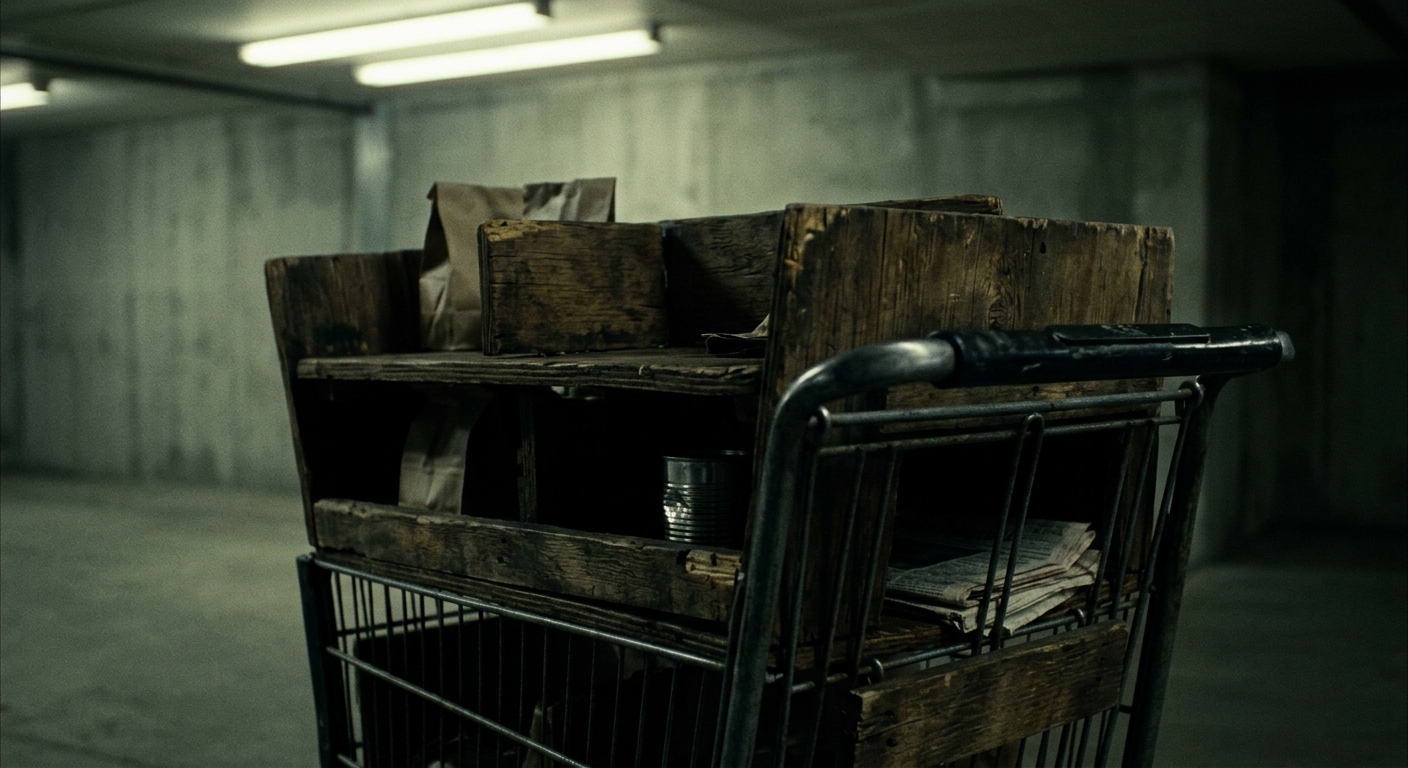
A shopping cart with wooden shelves where the wire baskets should have been.
On Friday, May 16, 1986, a device built into that cart rolled through the doors of Cokeville Elementary School in Cokeville, Wyoming. One hundred and fifty-four people, most of them children, were pushed into a single classroom designated Room 4. The space was not built to hold that many bodies. Fluorescent light hummed above a room where the air had already gone warm and close.
David Gary Young had been Cokeville’s town marshal. The town fired him in 1979. He left Wyoming after that, cycling through odd jobs and grand plans in Arizona and elsewhere, dragging his second wife, Doris, into each new scheme. By the spring of 1986 he had written a manifesto he called “Brave New World,” a document running to dozens of pages that laid out a private philosophy mixing reincarnation, government-funded communes, and a demand for three hundred million dollars in ransom. Doris had been a lunch lady at the same elementary school they now entered with the cart. She walked beside him that Friday carrying a pistol, a woman who had served food to some of the children she was about to help confine.
Young had told acquaintances the device was his bargaining chip, the thing that would force the town, then the state, then the federal government to listen. He did not appear to have a plan for what came after they listened.
Teachers laid masking tape in a square on the carpet around Young and the cart, a perimeter he told the children not to cross. A string ran from a clothespin on the device to his wrist. He told the hostages that if he were hit, shot, or knocked over, the bomb would go off. He demanded two million dollars per hostage. The Los Angeles Times calculated the total at three hundred million dollars; the Wyoming State Historical Society’s account puts the figure at two million dollars apiece without totaling it, and the two numbers sit at different scales depending on which source you trust. Principal Max Excell asked what this was about. Young told him he had some disagreement with the federal government and this was his way to get them to listen.
Two and a half hours passed before the device detonated. By then Young had left Room 4 for the bathroom; Doris was holding the string. The cart erupted, and the bomb’s twenty-two-caliber shells cooked off in the heat. Doris was killed instantly. Music teacher John Miller began pushing children toward the windows, and Young, returning from the hallway, shot Miller in the back as he helped them escape. Young then shot Doris in the restroom and turned the gun on himself.
All one hundred and fifty-four hostages walked out of the building alive. The Los Angeles Times reported that fifteen patients remained admitted to hospitals by Saturday; the Wyoming Historical Society’s oral history with Lincoln County Emergency Management Coordinator Kathy Davison puts the number transported to area hospitals at seventy-nine, a figure that counts initial transport for burns and smoke inhalation rather than overnight admissions, so the two numbers measure different things.
Cokeville Elementary School stayed open. Room 4 went back to holding classes.
David Gary Young built a bomb inside a shopping cart. He replaced the wire baskets with wooden shelves.
On Friday, May 16, 1986, Young brought the cart into Cokeville Elementary School in Cokeville, Wyoming. He pushed one hundred and fifty-four people into one classroom called Room 4. Most of them were children. The room was not built to hold so many people.
Young had been the town marshal of Cokeville. The town fired him in 1979. After that, he left Wyoming. He moved through different jobs and big plans in Arizona and other places. He took his second wife, Doris, with him. By spring 1986, he had written a long document. He called it “Brave New World.” It talked about reincarnation and government communes. It also demanded three hundred million dollars. Doris had worked as a lunch lady at the same school. She walked beside him that Friday. She carried a pistol.
Teachers put masking tape in a square on the floor around Young and the cart. Young told the children not to cross the tape line. A string connected a clothespin on the bomb to his wrist. He said the bomb would go off when he was hit or knocked down. He demanded two million dollars for each hostage. The Los Angeles Times said the total was three hundred million dollars. The Wyoming State Historical Society said the amount was two million dollars per person. The two sources gave different numbers. Principal Max Excell asked Young what this was about. Young said he had a problem with the federal government.
Two and a half hours later, the bomb went off. Young had left Room 4 to go to the bathroom. Doris was holding the string. The cart exploded. The bomb’s twenty-two-caliber shells fired in the heat. Doris died right away. Music teacher John Miller started pushing children toward the windows. Young came back from the hallway and shot Miller in the back. Miller was helping children escape. Young then shot Doris in the restroom. After that, he shot himself.
All one hundred and fifty-four hostages came out of the building alive. The Los Angeles Times said fifteen people were still in hospitals by Saturday. Kathy Davison from Lincoln County Emergency Management said seventy-nine people were taken to hospitals. Her number counted everyone taken for burns and smoke injuries. The newspaper counted only people staying overnight.
Cokeville Elementary School stayed open. Room 4 went back to holding classes.
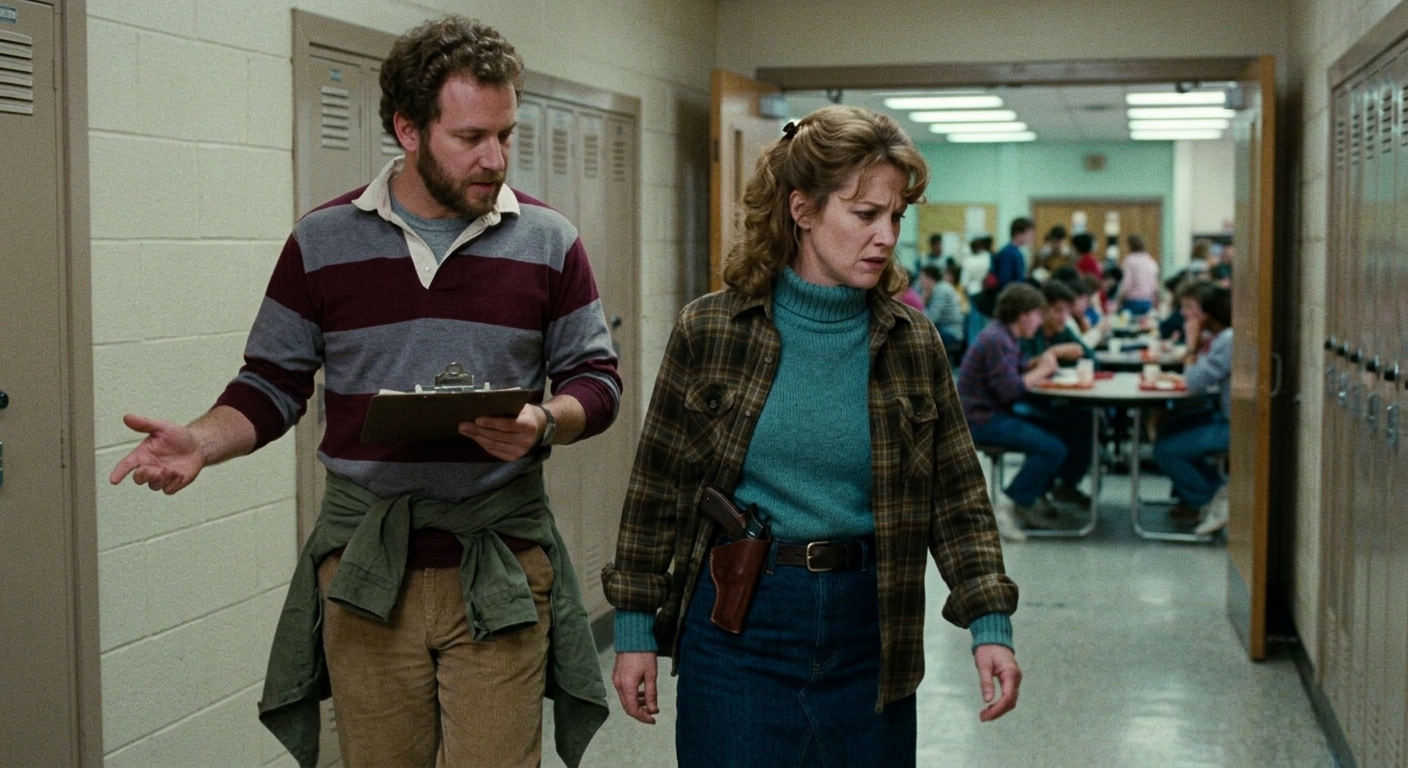
Words to learn
Sentence patterns
By the spring of 1986 he had written a manifesto he called “Brave New World,” a document running to dozens of pages that laid out a private philosophy mixing reincarnation, government-funded communes, and a demand for three hundred million dollars in ransom.The crew recovered a black box from the wreckage, a small orange recorder built to survive temperatures above a thousand degrees, and transported it to the national laboratory for analysis.
He left Wyoming after that, cycling through odd jobs and grand plans in Arizona and elsewhere, dragging his second wife, Doris, into each new scheme.She left the company that autumn, moving between freelance contracts in three cities, spending her savings faster than she earned.
Two and a half hours passed before the device detonated.Three full days went by before the rescue team found a signal beneath the collapsed structure.
Young had been the town marshal of Cokeville.She had worked as a nurse before she moved to Canada.
After that, he left Wyoming.After the storm ended, people came outside.
Young told the children not to cross the tape line.The doctor told him not to eat before the operation.
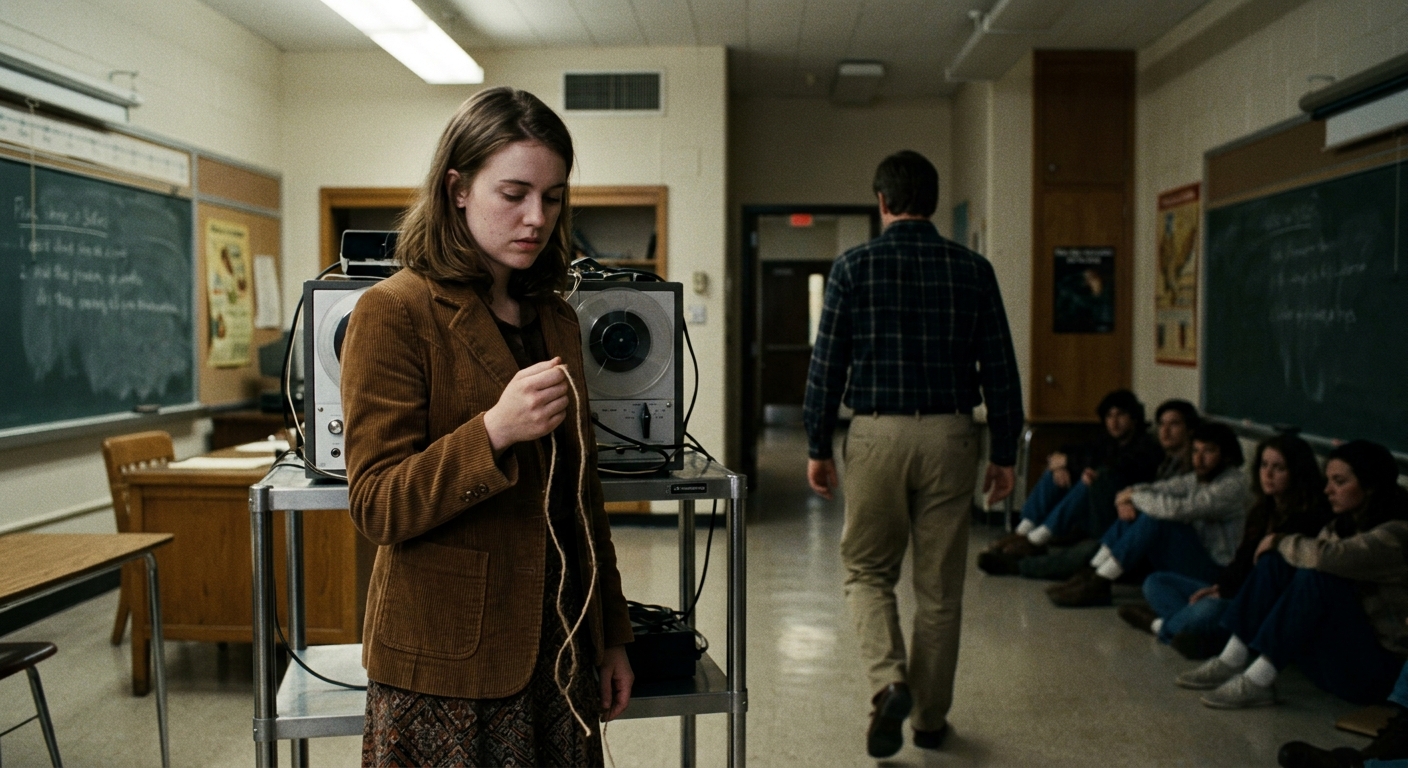
Discussion questions
- The story notes that Doris Young had once served lunch to the same children she helped hold hostage. What does it mean when someone who was part of a community turns against it, and how should a small town process that kind of betrayal?
- Young’s manifesto mixed personal philosophy with an enormous ransom demand, yet he “did not appear to have a plan for what came after they listened.” What does it tell us about a person’s state of mind when they escalate to an extreme action without thinking through the outcome?
- The story ends with the detail that Room 4 “went back to holding classes.” What effect does returning to normal routines have on a community after a crisis, and is resuming ordinary life a sign of strength or avoidance?
- Music teacher John Miller helped children escape and was shot in the back. Do you think most people would be brave enough to do this? Why or why not?
- The school stayed open and Room 4 went back to holding classes after the crisis. Do you think this was a good decision? What would you want your school to do?
- Young wrote a document demanding three hundred million dollars. Why do you think nobody tried to pay him?