The Odor Trapped in Apartment 213
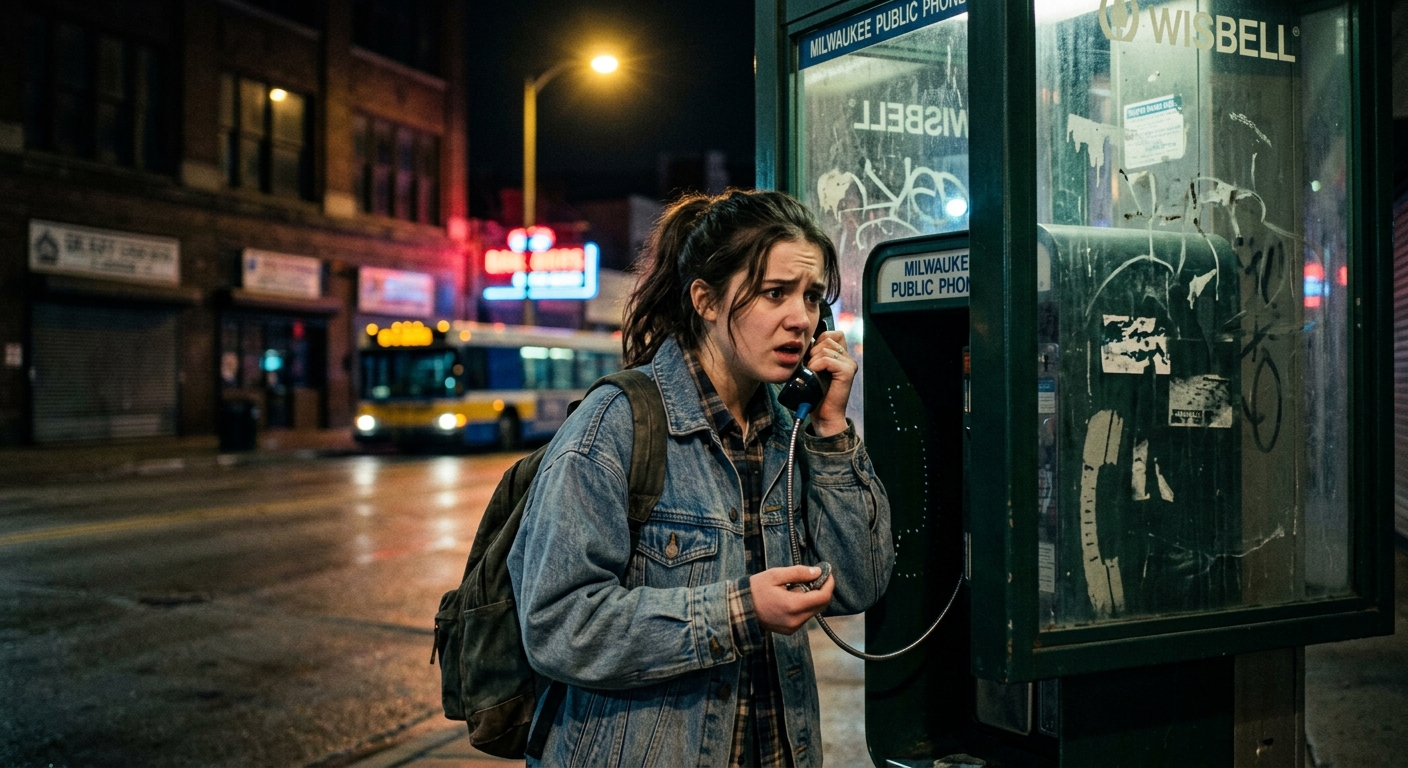
A pay phone on 25th Street, close to two in the morning.
Nicole Childress, eighteen years old, had found a boy stumbling naked and bleeding on the sidewalk outside the Oxford Apartments in Milwaukee. She ran to the phone and dialed 911.
It was May 27, 1991. Officers John Balcerzak and Joseph Gabrish arrived and spoke to Childress and her cousin Sandra Smith, who urged them to help the incoherent boy. A man named Jeffrey Dahmer appeared, calm, and told the officers the boy was his adult partner. They escorted Dahmer and the boy back to Apartment 213, where Dahmer produced photographs of Konerak Sinthasomphone modeling in black underwear as proof the two were lovers. A corpse lay in the bedroom a few feet from where the officers stood.
Konerak Sinthasomphone was fourteen years old. He had disappeared on the afternoon of May 26, a Sunday, after leaving his family’s home on Milwaukee’s north side. They reported him missing that same day. The Oxford Apartments were a 49-unit low-rise on the city’s west side, and for months its residents had smelled rotting meat flooding the corridors, heard a power saw buzzing at odd hours, caught the occasional thump of a falling object from the second floor. Dahmer had been killing since 1978. He was already on probation when he brought Konerak home, the result of a 1989 conviction for sexually assaulting Konerak’s older brother. Joseph Gabrish, the senior officer that night, was twenty-eight and had been a patrolman for seven years.
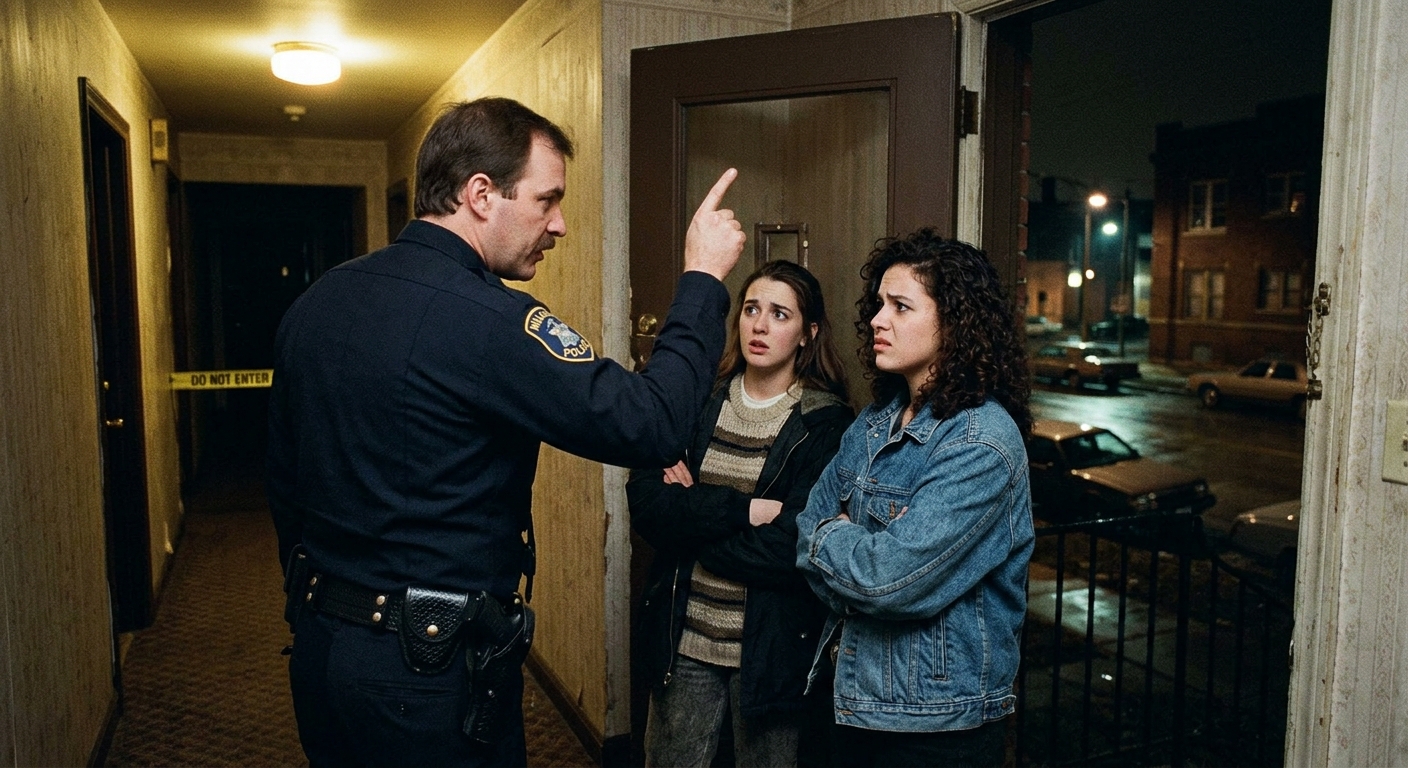
Dahmer told the officers the boy’s name was John Hmong and that he was nineteen or twenty years old. They had been drinking Jack Daniels, he said, and they were boyfriends who lived together. The only injury the officers noted was a scrape on the boy’s knee. When Childress and Smith tried to intervene, an officer told them to leave or be taken downtown. He refused to record either woman’s name.
About an hour later, Glenda Cleveland, Smith’s mother, called police headquarters to check on the boy. An officer told her the victim was not a child and that the incident was “a domestic squabble between two homosexuals.” In July, a man in handcuffs escaped from Apartment 213 and flagged down a patrol car. Dahmer confessed to seventeen killings in total and was charged with fifteen. All four homicides he was charged with on July 24 had been committed after May 27.
In 1994, an arbitrator ordered both officers reinstated with full back pay. Fourteen years after that night on 25th Street, John Balcerzak was elected president of the Milwaukee Police Association.
It was close to two in the morning on May 27, 1991. Nicole Childress was eighteen years old. She found a boy on the sidewalk outside the Oxford Apartments in Milwaukee. He was naked and bleeding. She ran to a pay phone on 25th Street and called 911.
Officers John Balcerzak and Joseph Gabrish arrived. Childress and her cousin Sandra Smith asked the officers to help the boy. He could not speak clearly. Then a man named Jeffrey Dahmer appeared. He was calm. He told the officers the boy was his adult partner.
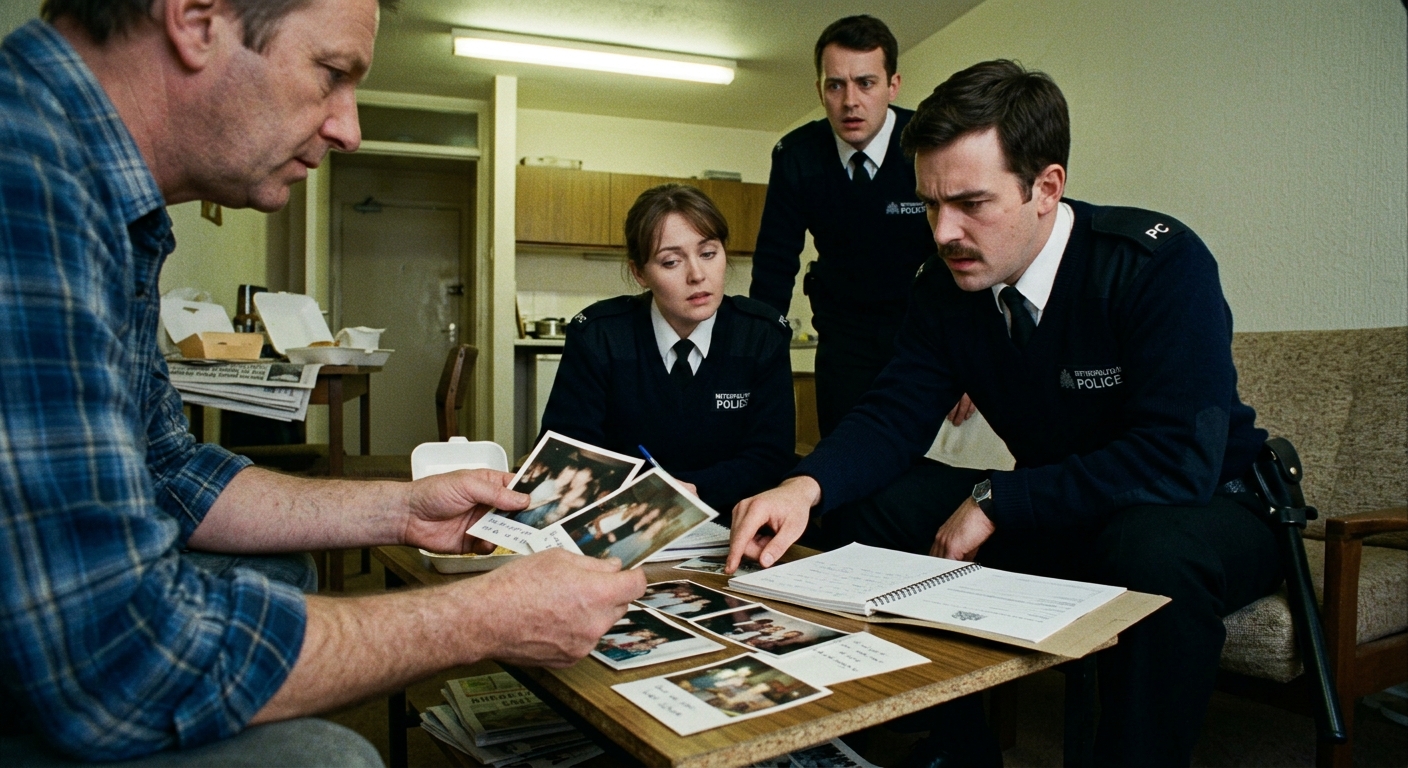
The officers walked with Dahmer and the boy back to Apartment 213. Dahmer showed them photos of Konerak Sinthasomphone wearing black underwear. He said the photos proved they were lovers. A dead body was in the bedroom. It was only a few feet from the officers.
Konerak Sinthasomphone was fourteen years old. He had left his family’s home on Milwaukee’s north side on May 26, a Sunday afternoon. His family reported him missing that same day. The Oxford Apartments were a 49-unit building on the city’s west side. For months, people in the building had smelled rotting meat in the hallways. They had heard a power saw at strange hours. They sometimes heard heavy objects fall on the second floor. Dahmer had been killing people since 1978. He was already on probation because of a 1989 conviction. He had sexually assaulted Konerak’s older brother. Joseph Gabrish was twenty-eight years old. He had been a police officer for seven years.
Dahmer told the officers the boy’s name was John Hmong. He said the boy was nineteen or twenty years old. He said they were drinking Jack Daniels together. He said they were boyfriends and lived together. The officers saw only one injury on the boy. It was a scrape on his knee. Childress and Smith tried to help the boy again. An officer told them to leave or go downtown. He did not write down either woman’s name.
About an hour later, Glenda Cleveland called the police. She was Sandra Smith’s mother. She wanted to know about the boy. An officer told her the boy was not a child. He called it “a domestic squabble between two homosexuals.”
In July, a man in handcuffs escaped from Apartment 213. He stopped a police car. Dahmer then confessed to seventeen killings. He was charged with fifteen murders. Four of the murders charged on July 24 happened after May 27.
In 1994, a judge ordered both officers to get their jobs back with full back pay. Fourteen years after that night on 25th Street, John Balcerzak was elected president of the Milwaukee Police Association.
Words to learn
Sentence patterns
A pay phone on 25th Street, close to two in the morning.A hospital corridor on the third floor, just after midnight.
Dahmer had been killing since 1978.The factory had been dumping waste into the river since 2003.
Fourteen years after that night on 25th Street, John Balcerzak was elected president of the Milwaukee Police Association.Three decades after the explosion at the plant, the town finally completed its memorial.
He told the officers the boy was his adult partner.The doctor told the family the operation was successful.
He was already on probation because of a 1989 conviction.The student was in trouble because of a missed exam.
Dahmer had been killing people since 1978.The factory had been polluting the river since 1990.
Discussion questions
- The officers chose to believe Jeffrey Dahmer’s explanation over the concerns raised by Nicole Childress and Sandra Smith. What factors might cause police officers to trust one person’s account over another’s, and how could training address this?
- Glenda Cleveland called police headquarters to follow up, and was told the situation was “a domestic squabble between two homosexuals.” How does the language officials use to describe an event shape whether it gets taken seriously?
- Both officers were fired but later reinstated with full back pay, and one was eventually elected to lead the police union. What does this sequence of events suggest about how institutions handle accountability?
- Do you think the two officers did their job well that night? Why or why not?
- Nicole Childress, Sandra Smith, and Glenda Cleveland all tried to help Konerak. Why do you think the police did not listen to them?
- After everything that happened, John Balcerzak became president of the police union. How does that make you feel? Would this happen in your country?