The Cap Lowered Into the Dark
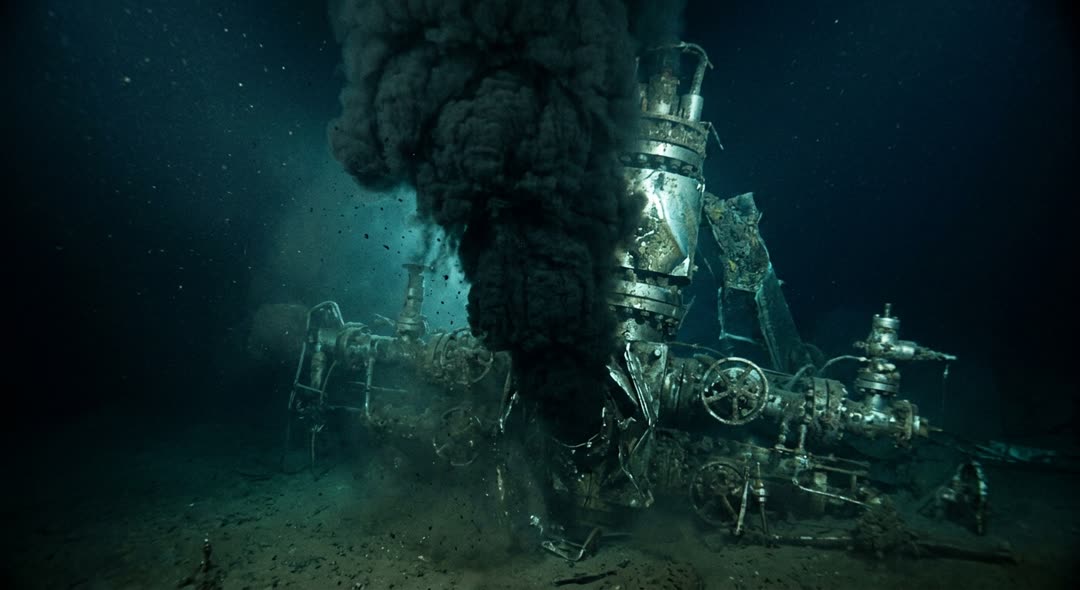
The crude kept coming, a dark plume unspooling into the water a mile down. For nearly three months it had not stopped. By mid-July of 2010, the leak at the ruptured wellhead was still gushing.
On July 15, 2010, in the Gulf of Mexico, BP moved to test a new custom-built cap fitted over the well roughly 1.6 kilometres underwater. With the US government’s go-ahead, the company shut down the two smaller siphoning systems that had been partially capturing the oil. The plan was to seal off the flow entirely, the first attempt to stop it since the drilling rig had sunk back in April. That rig, being drilled for BP by Transocean Ltd, had exploded on April 20, killing 11 workers and opening what became the worst offshore oil spill in US history.
For eighty-seven days the well had beaten every fix BP tried. Since the rig went down in April, the company had reached down through a mile of water with siphons and containment domes, catching some of the crude but never the whole flow. In May it had begun drilling the first of two relief wells, the only method anyone trusted to kill the leak for good, boring a fresh shaft to intercept the ruptured bore and choke it with mud and cement. That first relief well was not expected to reach its mark until the end of July, and the concrete would not set until mid-August at the earliest.
So the new cap was a stopgap, something to hold the line while the slower, surer work went on below. BP had never tested a seal like it at such depths. US officials worried over what the pressure might do once the oil had nowhere to go, that shutting the flow too fast could rupture the sea floor and open a fresh leak somewhere they could not reach.
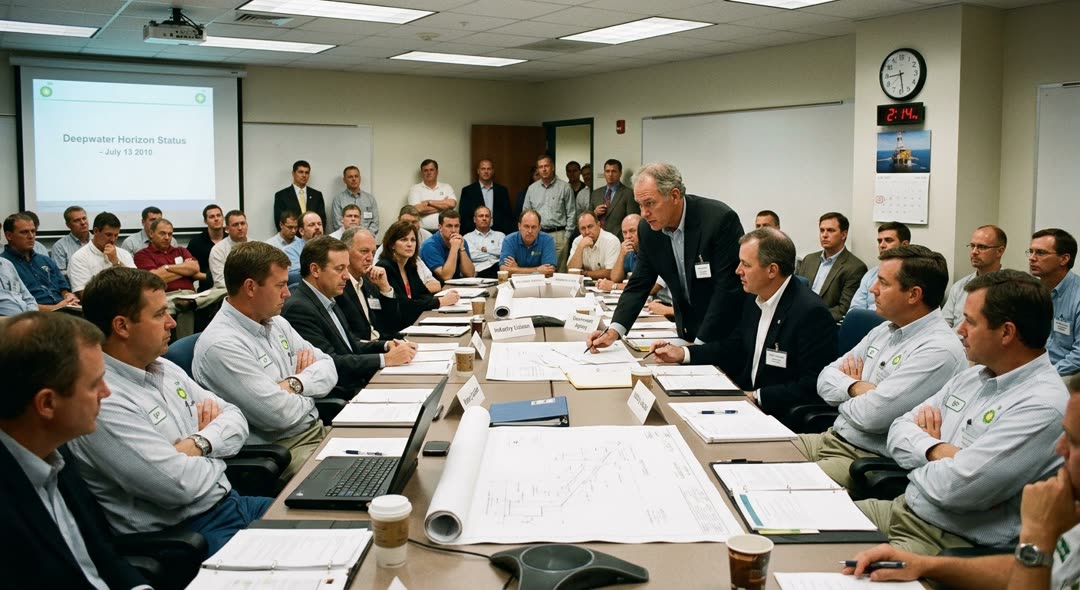
BP had meant to start two days earlier. On Tuesday, July 13, the company halted the procedure after a fresh round of consultations with scientists and engineers drawn from industry, government, and BP itself. Now, on the fifteenth, the plan went ahead: the cap was closed and the two siphon lines shut, and for the first time the crude was to have nowhere to go but up against the seal.
Once the flow was choked off, the well would sit under watch for anywhere between six and 48 hours. Engineers would read the pressure building behind the cap, high numbers meaning the well was holding and low ones hinting the oil had found some other path out through the damaged bore. BP’s own engineers had said the result was uncertain, since nothing like this seal had been closed over a well a mile down before. The wait had begun, gauges ticking upward with no oil in the water for the first time in eighty-seven days.
A thousand miles from the gauges, in the corridors of Washington, another calculation was already running. Exxon had quietly sounded out politicians there, asking whether anyone would stand in the way should it move to take over BP. The wounded company was still fighting to close its well, and a rival was already measuring it for a grave.
Two miles down, the first relief well kept boring toward the ruptured bore, indifferent to the gauges and to Washington alike.
The oil kept coming. A dark cloud of crude poured into the water, one mile down. For nearly three months it had not stopped. By the middle of July 2010, the leak was still gushing.
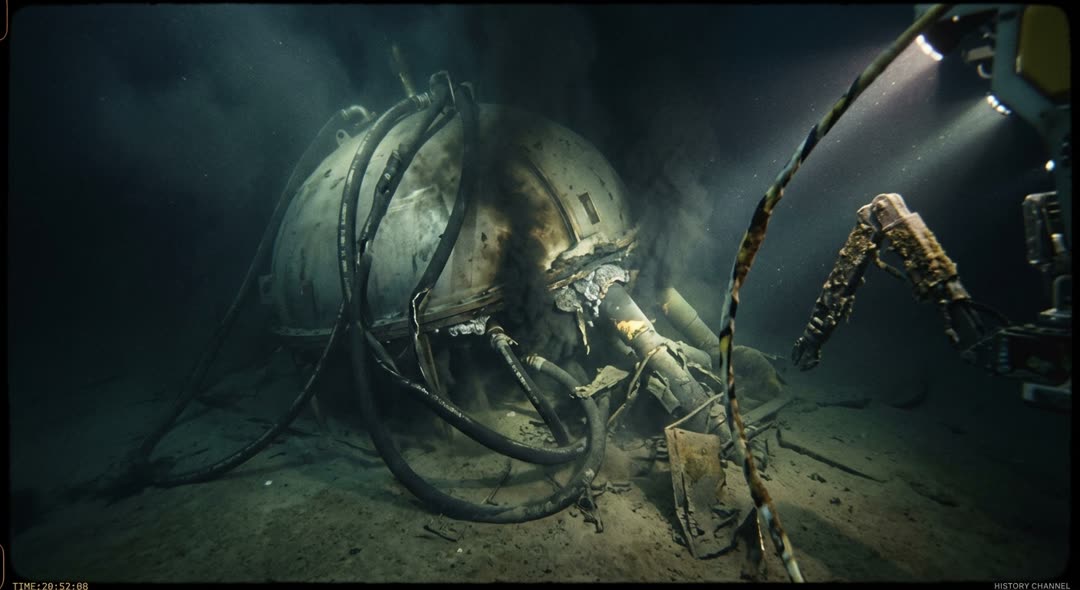
On July 15, 2010, in the Gulf of Mexico, BP tested a new cap. The cap was built to fit over the broken well, about 1.6 kilometres underwater.
With permission from the US government, BP shut down two smaller systems. These systems had been catching some of the oil. Now the company wanted to seal off the flow completely.
This was the first attempt to stop the oil since the drilling rig had sunk in April. That rig was drilled for BP by Transocean Ltd.
The rig exploded on April 20 and killed 11 workers. It became the worst offshore oil spill in US history.
For eighty-seven days the well had beaten every fix BP tried. After the rig went down, the company reached down through a mile of water. It used siphons and domes and caught some crude, but never the whole flow.
In May, BP began drilling the first of two relief wells. This was the only method anyone trusted to kill the leak for good. The new well would bore a fresh shaft to reach the broken bore. Then it would choke the leak with mud and cement.
The first relief well was not expected to reach its mark before the end of July. The cement would not set before the middle of August.
So the new cap was only a stopgap. It would hold the line while the slower, surer work went on below.
BP had never tested a seal like this so deep underwater. US officials worried about the pressure. They feared that shutting the flow too fast could break the sea floor. A fresh leak might then open somewhere they could not reach.
BP had meant to start two days earlier. On Tuesday, July 13, the company stopped the plan. BP had talked again with scientists and engineers. These experts came from industry, from government, and from BP itself.
Now, on the fifteenth, the plan went ahead. The cap was closed and the two siphon lines were shut. For the first time, the crude had nowhere to go but up against the seal.
After the flow was choked off, the well would sit under watch for six to 48 hours. Engineers would watch the pressure building behind the cap. High numbers meant the well was holding. Low numbers meant the oil had found another way out through the broken bore.
BP’s own engineers said the result was uncertain. No seal like this had ever been closed over a well a mile down. So the wait began. The gauges ticked upward, with no oil in the water for the first time in eighty-seven days.
Far away, in Washington, another plan was already moving. Exxon had quietly asked politicians a question. Exxon wanted to know whether anyone would block it from taking over BP. BP was still fighting to close its well. A rival was already measuring it for a grave.
Two miles down, the first relief well kept boring toward the broken bore. It did not care about the gauges or about Washington.
Words to learn
Sentence patterns
The wait had begun, gauges ticking upward with no oil in the water for the first time in eighty-seven days.The meeting ended, delegates filing out into the cold with nothing agreed.
For eighty-seven days the well had beaten every fix BP tried.For three winters the village had gone without power.
That rig, being drilled for BP by Transocean Ltd, had exploded on April 20, killing 11 workers and opening what became the worst offshore oil spill in US history.The bridge, still under repair by the county crew, collapsed that night, cutting off the only road out.
The rig exploded on April 20 and killed 11 workers.The storm hit the town and broke many windows.
After the rig went down, the company reached down through a mile of water.After the game ended, the players walked back to the bus.
Now the company wanted to seal off the flow completely.The students wanted to finish their homework before dinner.
Discussion questions
- BP chose to test a temporary cap while the slower relief wells were still being drilled, even though officials worried the pressure might rupture the sea floor. When is it worth taking a risky short-term fix instead of waiting for a slower, safer solution? Have you faced a decision like that?
- While BP was still fighting to seal its well, Exxon quietly asked politicians whether it could move to take the company over. What does this suggest about how rivals act when a competitor is in trouble, and have you seen similar behaviour in work or life?
- BP’s engineers said the outcome was uncertain because no seal like this had ever been closed over a well a mile down. How should people or organisations make decisions when there is no precedent to rely on?
- Do you think BP was right to test a new cap that had never been used so deep underwater? Why?
- The story says Exxon asked about taking over BP while it was still fighting the leak. Do you think this was fair?
- Would you feel worried, like the US officials, that the sea floor might break? Why or why not?