Idle Engines on a Clear Morning
Four red lights. Beside runway 28L the precision approach path indicator had run all the way through its range, from four white down to two white and two red and finally to four red, the sign of an airplane sitting far below the glidepath and sinking toward the seawall.
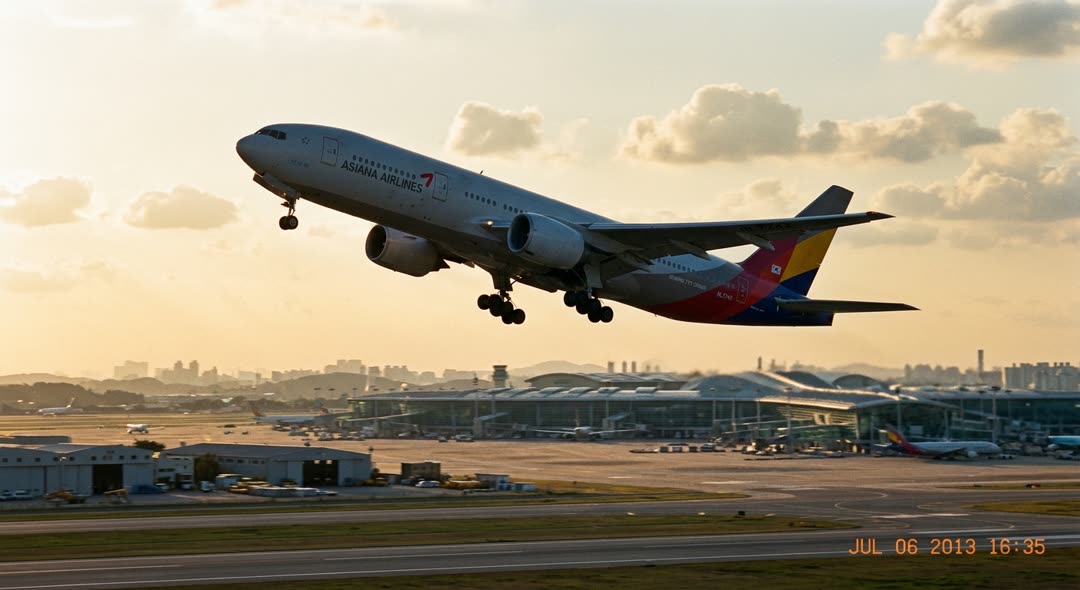
Asiana Airlines Flight 214, a Boeing 777-200ER registered HL7742, had left Incheon at 16:35 that afternoon of July 6, 2013, carrying 291 passengers and 16 crew across more than ten hours to San Francisco. In the left seat was a trainee captain with 33 hours on the 777, flying the approach; in the right seat sat the instructor pilot, the pilot-in-command, acting as an instructor for the first time. At 11:27:50 the main landing gear and aft fuselage struck the seawall at the threshold of runway 28L. The tail broke off at the aft pressure bulkhead.
The man in the left seat had flown for a living for years before he ever touched a 777. Forty-five years old, he held a Korean airline transport certificate and type ratings on the Airbus A320 and the Boeing 737, 747-400, and 777, and his logbook showed 9,684 hours in the air, 3,729 of them as pilot-in-command. Only 33 of those hours were on the airplane he was now landing. This was his tenth flight leg on the type, flown as a trainee captain under the eyes of an instructor who was supposed to close the gap between what he knew and what the 777 demanded.
The instructor was forty-nine, with 12,307 hours behind him and 3,208 of them on the 777, ratings on the 757 and 767 as well. He had never instructed before. Somewhere aft, a third pilot rode as an observer, a forty-year-old relief first officer with 4,557 hours and 715 of them on the type, one more set of eyes on a flight deck where the two men at the controls were each doing their assigned jobs for close to the first time.
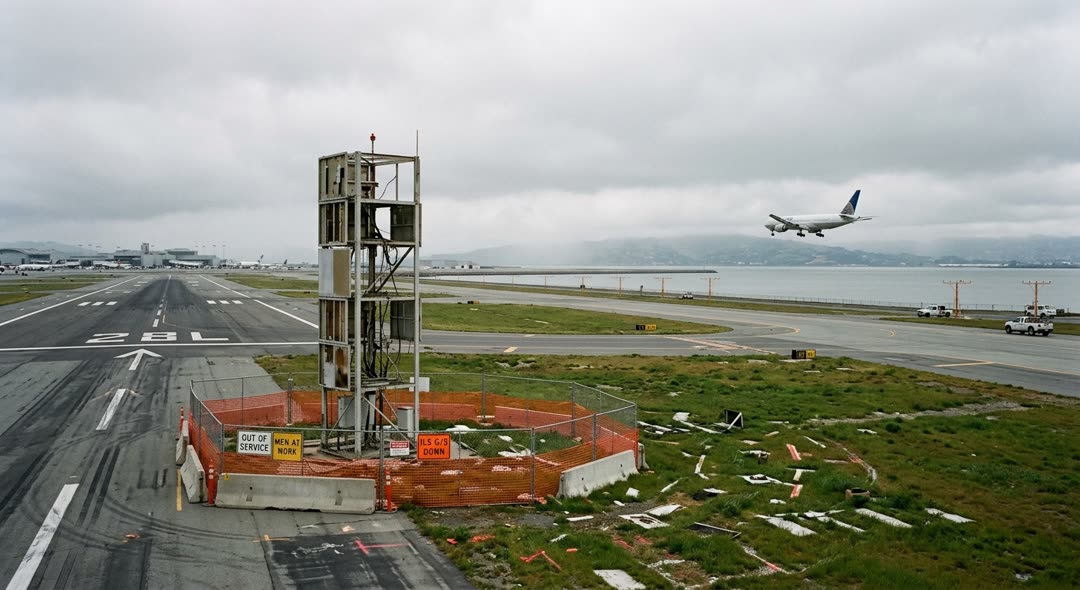
With the runway 28L glideslope of the instrument landing system shut down since June 1 for construction and not due back until August 22, the crew flew a visual approach; NorCal approach cleared Asiana 214 for it fourteen nautical miles out, with a restriction to hold 180 knots until five miles from the airport. At five nautical miles, descending through about 2,250 feet, the airplane was already roughly 400 feet above where a three-degree glidepath should have put it. At 11:26:25 the trainee selected FLCH SPD, the flight level change speed mode; because the altitude selector was set to 3,000 feet and the airplane sat below that, the autoflight system commanded a climb, and eight seconds later, when the pilot flying pulled the thrust levers to idle, the autothrottle slipped into HOLD mode, in which it no longer manages airspeed and simply leaves the levers where they are, a change none of the crew caught.
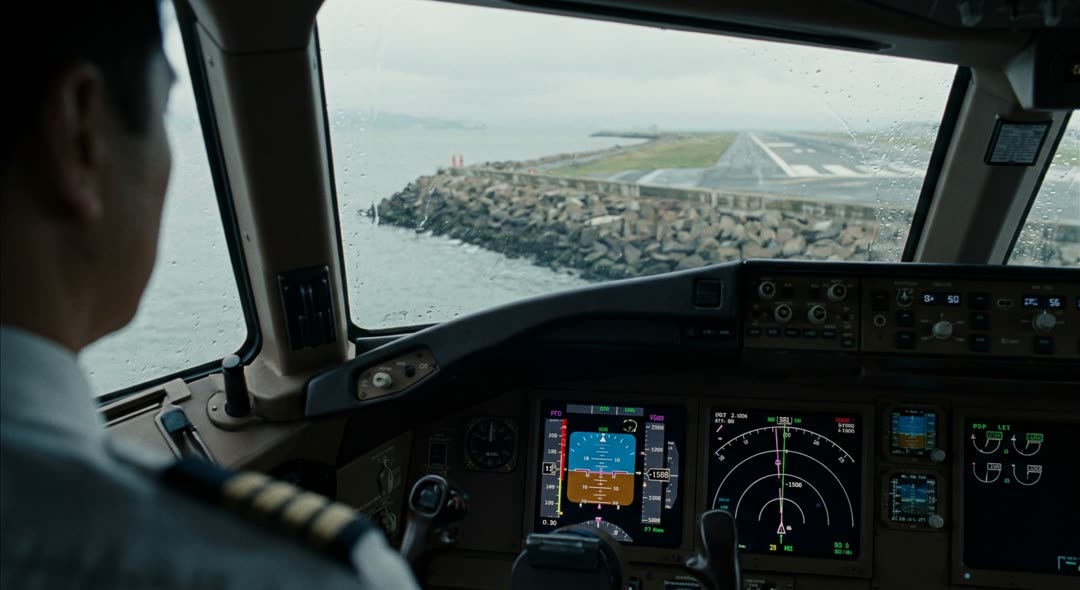
The airplane came down fast now. At 11:26:54 it passed 1,000 feet with the precision approach path indicator, the lights beside the runway that show whether an airplane is on the glidepath, still reading four white; four seconds later the observer on the jumpseat said ‘sink rate sir,’ and said it again seven seconds after that. Passing 500 feet at 11:27:14 the airspeed had only just reached the 137-knot target, Vref plus five, with the airplane sinking at about 1,200 feet per minute, and at 11:27:23 it fell below 132 knots, below Vref itself, the reference landing speed. The PAPI turned four reds at 11:27:31, a master caution quadruple chime sounded at 11:27:39, and at 11:27:42 the pilot monitoring called ‘speed’ and pushed both thrust levers forward, eight seconds before impact.
At 11:27:47 the pilot monitoring called ‘go around,’ but the airspeed had already bled to about 103 knots, its lowest of the approach, and below 100 feet the airplane no longer had the performance to climb away. At 11:27:50 the main landing gear and aft fuselage struck the seawall at the threshold of 28L; the tail broke off at the aft pressure bulkhead, the airplane slid down the runway, lifted partially back into the air, spun about 330 degrees, and came to rest off the left side of the runway some 2,400 feet from where it had first hit the wall.
The trainee in the left seat had a safety net, and that net was the man beside him. That man was flying as an instructor for the first time in his career. Twelve thousand hours in the air, and none of them spent teaching another pilot how to land this airplane.
At 11:27:50 the seawall took the landing gear and the tail, and the 777 that had crossed the Pacific in ten hours and thirty-some minutes stopped 2,400 feet later on the grass beside 28L. The glideslope that would have caught the descent was scheduled back in service on August 22.
Beside runway 28L there were four warning lights. These lights show if a plane is on the right path to land. Four red lights meant the plane was too low.
Asiana Airlines Flight 214 was a Boeing 777-200ER. It left Incheon at 16:35 on July 6, 2013. The plane carried 291 passengers and 16 crew to San Francisco. The flight took more than ten hours.
A trainee captain sat in the left seat and flew the approach. He had only 33 hours on the 777. In the right seat sat the instructor pilot, who was the pilot-in-command. He was working as an instructor for the first time.
The trainee captain was 45 years old. He had 9,684 hours of flying, and 3,729 of them as pilot-in-command. But only 33 hours were on the 777. This was his tenth flight on this type of plane.
The instructor was 49 years old. He had 12,307 hours, and 3,208 of them on the 777. He had never taught a pilot before. A third pilot sat in the back as an observer. He was 40 years old and had 4,557 hours.
The runway 28L glideslope was shut down since June 1 for building work. It was not due back until August 22. So the crew flew a visual approach. At five miles, the plane was already about 400 feet too high.
At 11:26:25 the trainee chose FLCH SPD mode. The plane then tried to climb. Eight seconds later the pilot pulled the thrust levers to idle. The autothrottle slipped into HOLD mode and stopped managing the speed. None of the crew saw this change.
Now the plane came down fast because the engines stayed at idle. At 11:26:54 it passed 1,000 feet. The warning lights still read four white. The observer said ‘sink rate sir’ twice. At 11:27:14 the plane passed 500 feet.
At 11:27:23 the speed fell below 132 knots. This was below the safe landing speed. The lights turned four red at 11:27:31. A loud warning chime sounded at 11:27:39. At 11:27:42 the pilot pushed both thrust levers forward. This was eight seconds before impact.
At 11:27:47 the pilot called ‘go around.’ But the speed had already dropped to about 103 knots. Below 100 feet the plane could not climb away. At 11:27:50 the landing gear and back of the plane hit the seawall.
The tail broke off at the back of the plane. The plane slid down the runway and lifted a little back into the air. It spun about 330 degrees. It stopped off the left side of the runway, about 2,400 feet from the wall.
The trainee had a safety net, and that net was the man beside him. But that man was teaching a pilot for the first time. He had 12,000 hours of flying, but none of them spent teaching.
Words to learn
Sentence patterns
At five nautical miles, descending through about 2,250 feet, the airplane was already roughly 400 feet above where a three-degree glidepath should have put it.At the last checkpoint, climbing past the final ridge, the runners realized they were far ahead of schedule.
Asiana Airlines Flight 214, a Boeing 777-200ER registered HL7742, had left Incheon at 16:35 that afternoon of July 6, 2013, carrying 291 passengers and 16 crew across more than ten hours to San Francisco.The old bridge, a narrow iron structure built in the 1920s, still carried morning traffic without complaint.
In the left seat was a trainee captain with 33 hours on the 777, flying the approach; in the right seat sat the instructor pilot, the pilot-in-command, acting as an instructor for the first time.On the top shelf sat the trophy no one had touched in years.
The instructor was 49 years old.My teacher was 30 years old.
Now the plane came down fast because the engines stayed at idle.She was tired because she worked all day.
At 11:26:54 it passed 1,000 feet.At 9:00 the train left the station.
Discussion questions
- The instructor was supervising for the first time while the trainee had only 33 hours on the 777. How well do you think being skilled at a task prepares someone to guide another person doing it, and have you ever been asked to teach something you had rarely done yourself?
- None of the crew noticed the autothrottle slip into HOLD mode, where it stopped managing airspeed. Why might capable people miss an important change right in front of them, and when have you overlooked something you assumed a system was handling?
- The glideslope was out of service, so the crew flew a visual approach. How should people balance reliance on automatic aids against their own judgment, and how do you decide which to trust when a familiar aid is suddenly unavailable?
- Do you think it was safe to have two pilots doing new jobs on the same flight? Why or why not?
- Would you feel safe if the person teaching you had never taught anyone before? Why?
- Why do you think none of the three pilots saw that the plane was too low?