Fourteen Pounds of Genetic Déjà Vu
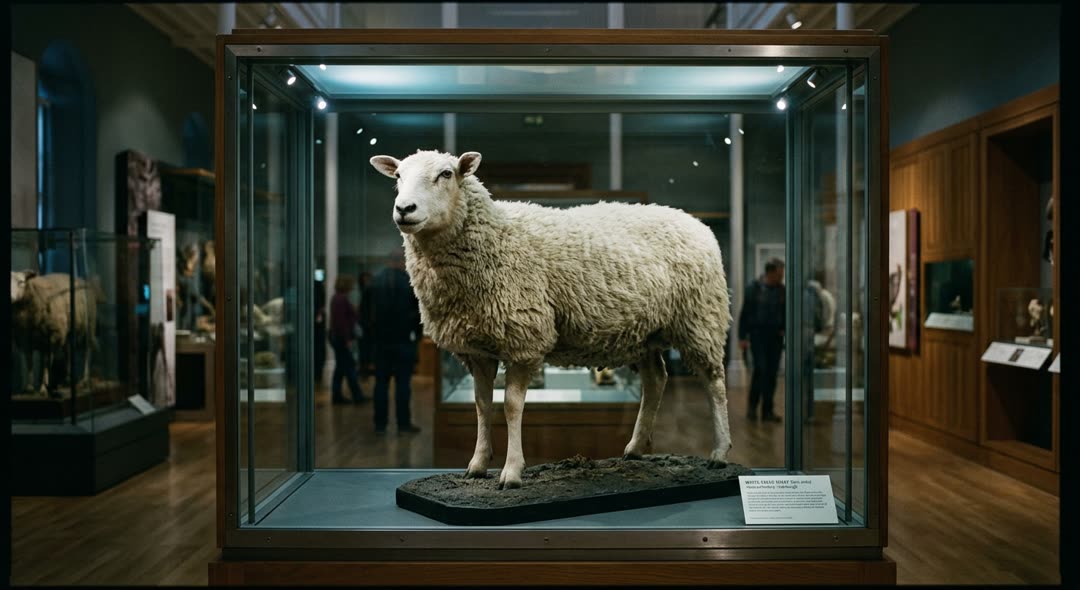
A glass case in Edinburgh. Behind it, a sheep stands on a custom-built fibreglass frame, wool still thick, eyes fixed on nothing. She has been there for more than twenty years.
Her name was Dolly. In February 1997, scientists at the Roslin Institute outside Edinburgh announced they had cloned a living mammal from an adult cell, a cell taken from the mammary gland of a six-year-old Finn Dorset sheep. That donor sheep was already dead when the frozen cells were used. Dolly, born the previous July, was the proof that a single stored udder cell could rewrite what biology was supposed to allow.
For decades, nuclear transfer had been used in mammals as a method for multiplying elite embryos, and every live offspring produced this way had come from embryo cells or embryo-derived cells during primary culture. In 1984, researchers in Cambridge cloned the first mammal, a sheep, from an embryo cell. By 1995, a team at the Roslin Institute led by Professor Sir Ian Wilmut, alongside Keith Campbell, a nuclear transfer researcher, and colleague Bill Ritchie, had cloned two sheep named Megan and Morag from embryonic cells grown in the lab. In 1996, Campbell, co-author Jim McWhir, Ritchie, and their colleagues published in Nature the first report of live lambs produced by nuclear transfer from an established cultured cell line. No one had crossed beyond that.
She was named after country singer Dolly Parton. The cell that produced her came from a mammary gland, and the scientists needed a name, so they reached for the most famous set of mammary glands they could think of.
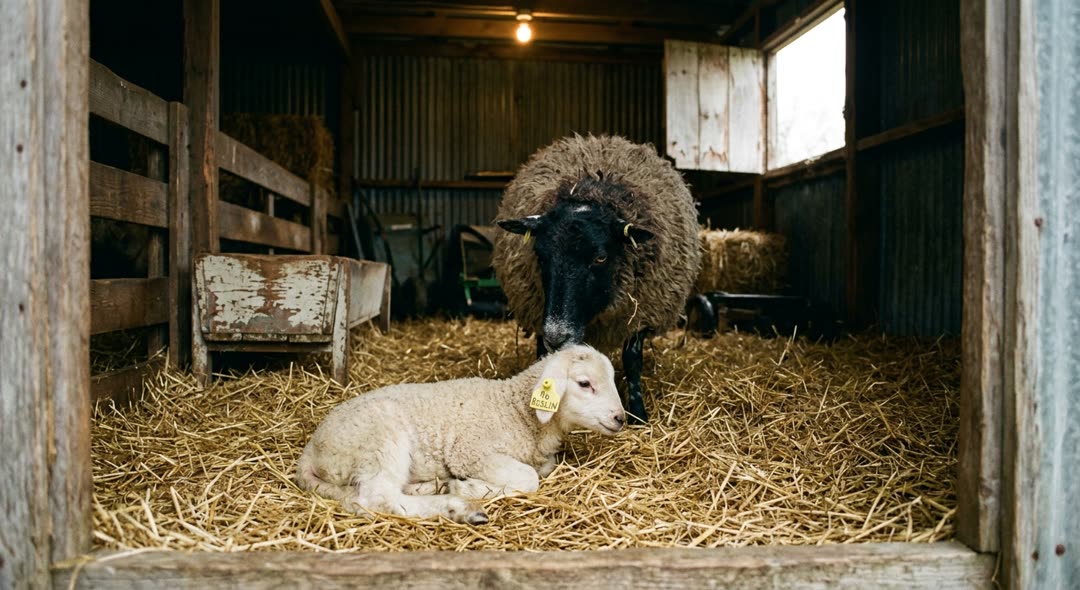
On 5 July 1996, a Scottish Blackface ewe at the Roslin Institute delivered a white-faced lamb weighing 14.5 pounds. The white face was the first visible sign, before any DNA test, that the lamb had nothing genetically in common with the dark-faced sheep that carried her. Six other sheep, cloned from embryonic and foetal cells, were born at Roslin around the same time, but this one was different: her nucleus had come from an adult mammary cell, starved of the serum that keeps cells dividing until it entered a state of quiescence, then fused with an enucleated egg using a pulse of electricity. Her birth was kept quiet for months while a patent application on the process worked its way through.
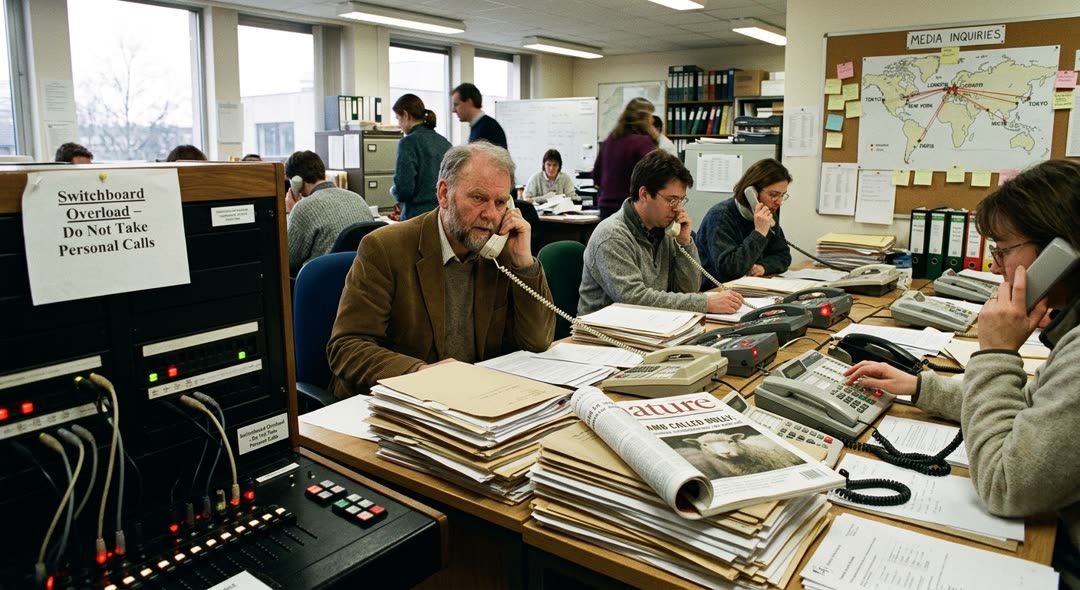
On 22 February 1997, the Roslin Institute went public. The lamb was seven months old. The paper landed in Nature the same day, and the institute fielded three thousand phone calls from around the world in the week that followed. PPL Therapeutics, a Scottish biotechnology firm that had bought the rights to the research, told reporters the work would improve understanding of ageing and genetics and lead to cheaper medicines. In Washington, President Bill Clinton convened a special task force to examine the legal and ethical implications of cloning. Randall Prather, a cloning expert at the University of Missouri, said her birth had “shattered theory in science.”
After the announcement, Dolly was kept indoors for security. Sheep housed inside are prone to lung infections. She was euthanised on 14 February 2003, at the age of six, after veterinarians concluded that a progressive lung disease was causing her to suffer.
There is a glass case in a museum in Edinburgh. Behind the glass, a sheep stands on a frame. Her wool is still thick. She has been there for more than twenty years.
Her name was Dolly. In February 1997, scientists at the Roslin Institute near Edinburgh made a big announcement. They said they had cloned a living mammal from an adult cell. The cell came from the mammary gland of a six-year-old Finn Dorset sheep. That donor sheep was already dead when the frozen cells were used. Dolly was born the previous July. She was proof that a single stored cell could do something biology was not supposed to allow.
For many years, scientists had used nuclear transfer to copy embryo cells in mammals. Every live animal produced this way had come from embryo cells. In 1984, researchers in Cambridge cloned the first mammal, a sheep, from an embryo cell. By 1995, a team at the Roslin Institute had cloned two sheep named Megan and Morag from embryonic cells grown in the lab. The team was led by Professor Sir Ian Wilmut, with Keith Campbell and Bill Ritchie. In 1996, Campbell, co-author Jim McWhir, Ritchie, and their colleagues published a paper in Nature. It was the first report of live lambs produced by nuclear transfer from cultured cells. But no one had used an adult cell before.
She was named after country singer Dolly Parton. The cell came from a mammary gland. The scientists needed a name. So they chose the most famous person they could connect to mammary glands.
On 5 July 1996, a Scottish Blackface ewe at Roslin gave birth to a white-faced lamb. The lamb weighed 14.5 pounds. The white face was the first sign that this lamb was not related to the dark-faced sheep carrying her. Six other cloned sheep were born at Roslin around the same time. But this one was different. Her nucleus came from an adult mammary cell. Scientists starved the cell so it entered a quiet state called quiescence. Then they fused it with an egg using a pulse of electricity. The birth was kept secret for months because of a patent application.
On 22 February 1997, the Roslin Institute told the world. The lamb was seven months old. The paper appeared in Nature the same day. The institute received three thousand phone calls from around the world that week. PPL Therapeutics, a Scottish biotechnology firm, had bought the rights to the research. They told reporters the work would help people understand ageing and genetics. In Washington, President Bill Clinton created a special task force. It would look at the legal and ethical questions about cloning. Randall Prather, a cloning expert at the University of Missouri, said her birth had “shattered theory in science.”
After the announcement, Dolly was kept indoors for security. Sheep housed inside are prone to lung infections. She was euthanised on 14 February 2003, at the age of six. Veterinarians said a progressive lung disease was causing her to suffer.
Words to learn
Sentence patterns
Dolly, born the previous July, was the proof that a single stored udder cell could rewrite what biology was supposed to allow.The bridge, completed only three years earlier, collapsed under the weight of the flood water.
The white face was the first visible sign, before any DNA test, that the lamb had nothing genetically in common with the dark-faced sheep that carried her.The smell of smoke was the first warning that the fire had reached the basement.
Six other sheep, cloned from embryonic and foetal cells, were born at Roslin around the same time, but this one was different: her nucleus had come from an adult mammary cell, starved of the serum that keeps cells dividing until it entered a state of quiescence, then fused with an enucleated egg using a pulse of electricity.The test results confirmed what the doctors had suspected: the patient’s symptoms were caused by a rare autoimmune disorder, not the virus they had initially treated.
The birth was kept secret for months because of a patent application.The road was closed for two days because of a big storm.
They told reporters the work would help people understand ageing and genetics.The doctor said the patient needed more rest.
On 22 February 1997, the Roslin Institute told the world.On 15 March 2004, the company opened its first office in London.
Discussion questions
- The scientists kept Dolly’s birth secret for seven months while a patent application was processed. When researchers make a discovery that could affect the public, should they announce it immediately, or is it reasonable to wait for legal or commercial reasons first?
- Dolly was kept indoors after the announcement for security reasons, but living inside made her more likely to get sick. Can you think of other situations where protecting something valuable created new, unexpected problems?
- The story says Dolly’s birth “shattered theory in science.” What does it feel like when something you believed was impossible turns out to be real — have you experienced a moment like that in your own life or studies?
- Do you think scientists should clone animals? Why or why not?
- The scientists kept Dolly’s birth secret for months because of a patent. Do you think scientific discoveries should be shared right away, or is it okay to wait?
- President Clinton created a task force to study cloning after the announcement. Why do you think governments want to control new science?