The Pines Behind the Barricade
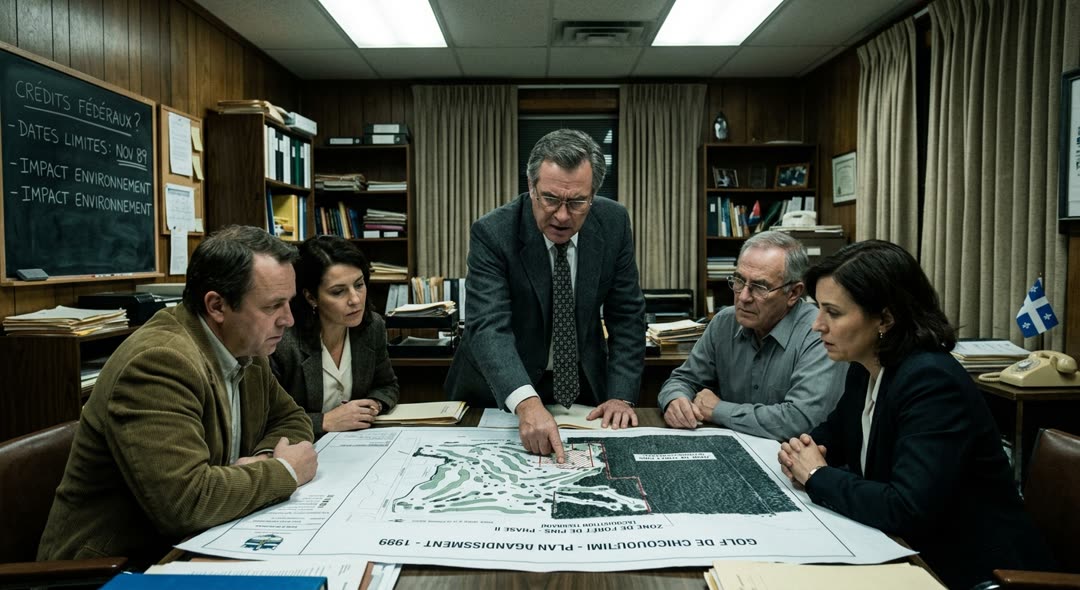
Pines standing over old graves. In the small Quebec town of Oka, a municipal golf course was already cut into the ground, and the plan was to make it larger.
In 1989, the municipality of Oka proposed expanding that golf course into land that touched Mohawk burial traditions. Mayor Jean Ouellette, the man who sparked the crisis, pushed the plan forward. Mohawks from the nearby Kanesatake reserve protested it. The dispute set native people against the town, and behind the town stood the provincial police and, eventually, the Canadian army.
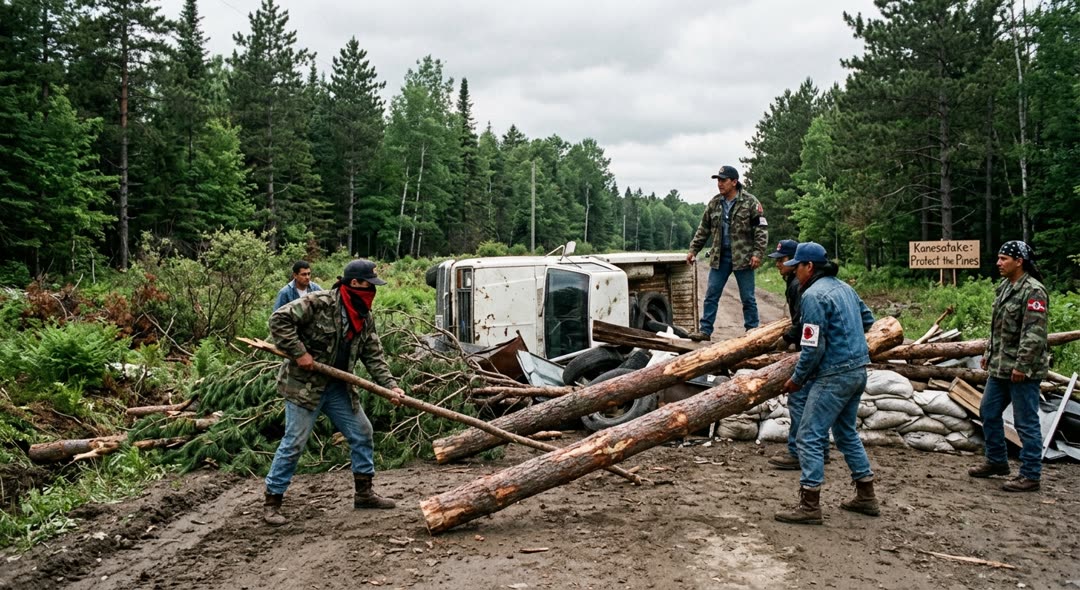
The Mohawks of Kanesatake, whose reserve sat beside the town of Oka, were the people at the center of this. They had lived next to that golf course for years, and now the municipality wanted to push it deeper into the pines. The land the course would take touched their burial traditions, so in 1989 they protested the plan. When the town did not back down, the Mohawks put up a barricade. Behind the town stood more than a mayor. Jean Ouellette asked the Sûreté du Québec, the provincial police, to remove the protesters, by force if necessary. The Mohawks answered by demanding that the expansion be cancelled and their land claims finally addressed.
It is the summer of 1990 when the Sûreté du Québec move on the barricade in the Pines. The raid begins the stand-off, and as it does a shot is fired into the face of Corporal Marcel Lemay of the provincial police. Lemay dies of the wound. Who fired the shot that killed him is never established.
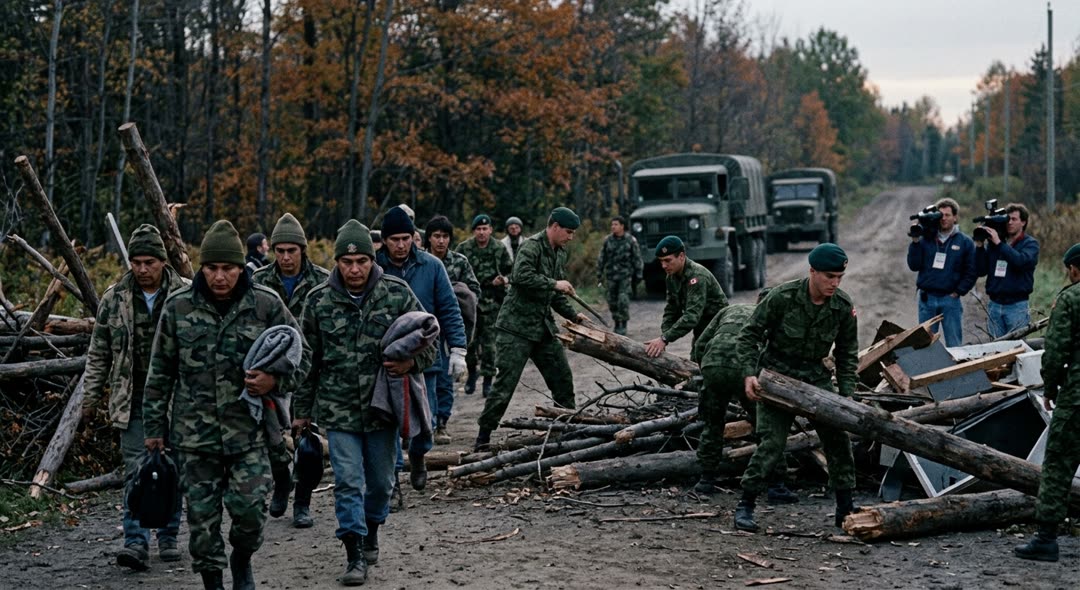
Through the summer the confrontation holds, and in August the Canadian army is brought in to take down the blockades at Oka. The standoff runs seventy-eight days. In late September the Mohawks at Kanesatake decide to surrender, and after the surrender the army moves in to dismantle what remains of the barricades.
The crisis draws worldwide attention and pushes native land rights into the spotlight, but the broader questions of Mohawk land rights at Kanesatake stay open once the soldiers and the barricades are gone.
A barricade stands to keep the pines from being cut, and by the end of the first raid a police officer is dead in them. Corporal Marcel Lemay took a shot to the face during the assault in the Pines, and the man behind that shot was never identified. The stand-off gave the death a place and a date, and left the one fact that would settle it missing.
The Pines were never cut.
In the small town of Oka in Quebec, Canada, there was a golf course. The town had already cut it into the ground. Now the town wanted to make it larger.
In 1989, the town of Oka planned to make the golf course bigger. The new land touched Mohawk burial traditions. This meant it touched a place where the Mohawks buried their dead. Mayor Jean Ouellette pushed the plan forward. He was the man who started the crisis.
The Mohawks lived on the Kanesatake reserve, right next to the town. They had lived beside the golf course for years. Now the town wanted to push it deeper into the pines. The land touched their burial traditions, so in 1989 they protested. When the town did not stop, the Mohawks built a barricade.
Jean Ouellette asked the Sûreté du Québec, the provincial police, to remove the protesters. He wanted them removed by force if needed. The Mohawks said the plan must be cancelled. They also wanted their land claims finally addressed.
It was the summer of 1990. The Sûreté du Québec moved on the barricade in the Pines. The raid began the stand-off. During the raid, a shot was fired into the face of Corporal Marcel Lemay. Lemay was a provincial police officer, and he died of the wound. Nobody ever learned who fired the shot.
Through the summer, the confrontation held. In August, the Canadian army was brought in. Their job was to take down the blockades at Oka. The stand-off ran seventy-eight days.
In late September, the Mohawks at Kanesatake decided to surrender. After the surrender, the army moved in. They took apart what was left of the barricades.
The crisis drew attention from around the world. It pushed native land rights into the spotlight. But the bigger questions about Mohawk land at Kanesatake stayed open. The soldiers and the barricades were gone, but the questions were not answered.
The Mohawks built the barricade to keep the pines from being cut. By the end of the first raid, a police officer was dead. Corporal Marcel Lemay took a shot to the face during the attack. The man behind that shot was never found.
The Pines were never cut.
Words to learn
Sentence patterns
It is the summer of 1990 when the Sûreté du Québec move on the barricade in the Pines.It is late evening when the last workers finally leave the flooded mine.
Behind the town stood more than a mayor.Beyond the fence lay a field no one had crossed in years.
The Mohawks of Kanesatake, whose reserve sat beside the town of Oka, were the people at the center of this.The old factory, whose chimneys still marked the skyline, had been silent for a decade.
When the town did not stop, the Mohawks built a barricade.When the rain stopped, the children went outside.
The land touched their burial traditions, so in 1989 they protested.The shop was closed, so we went home.
The crisis drew attention from around the world.The team won the big game.
Discussion questions
- The dispute started over expanding a golf course into land tied to Mohawk burial traditions. Why do you think a plan like this could grow into a 78-day armed stand-off, and how would you weigh a community’s ties to land against a town’s development plans?
- The story says the person who fired the shot that killed Corporal Lemay was never identified. How does an unresolved fact like this shape the way people remember an event, and have you seen other situations where a missing detail changed how a story was told?
- The crisis pushed native land rights into the spotlight, yet the broader questions at Kanesatake stayed open after the soldiers left. What might explain why public attention can rise sharply and still leave the core issue unresolved?
- Do you think the Mohawks were right to build a barricade? Why?
- Why do you think the crisis drew attention from around the world?
- Would you protest if someone wanted to build on important land near your home?