The 38-Centimetre Crevice to Freedom
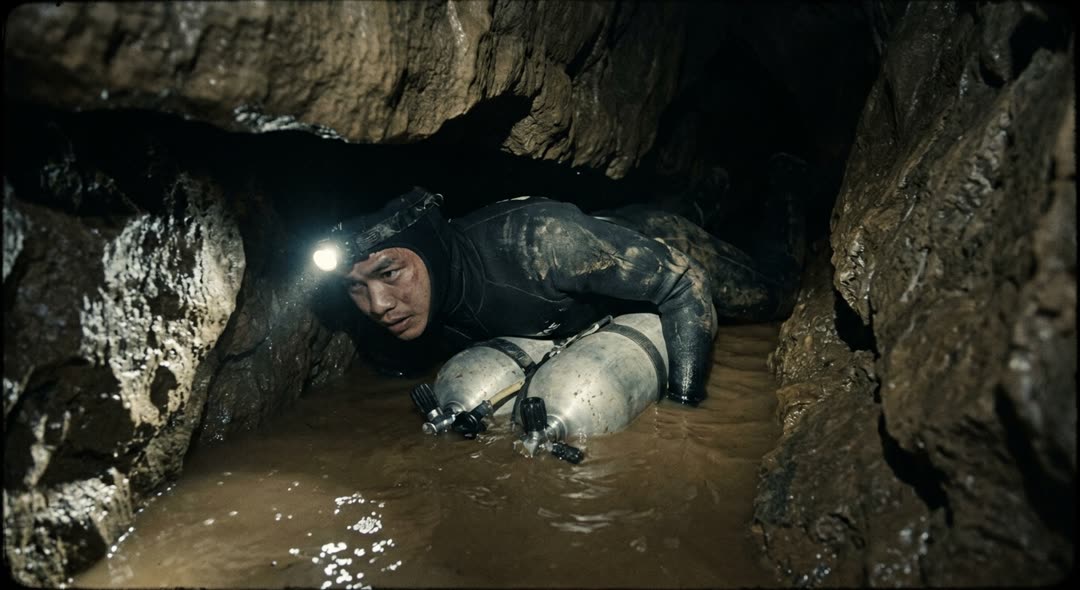
Thirty-eight centimetres. That was the width of the crevice near Sam Yaek Junction, the tightest point on the whole escape route, and a 25-year-old Thai navy SEAL had to take off his air tank to crawl through it, feeling the edges of the hole on both his back and his chest.
At 5:40 p.m. on Sunday 8 July 2018, the first boy came out of the Tham Luang cave wearing a full-face scuba mask, hours ahead of even the most optimistic predictions. The cave runs beneath the Doi Nang Non mountains in Chiang Rai province, in northern Thailand near the border with Myanmar, a flooded labyrinth six miles long with a sign at its mouth warning against entering during the rainy season. The second boy followed ten minutes later. Both had been carried out through water that round-the-clock pumping had only partly drained, more than a million cubic metres of it hauled from the cave before the dive-out could even begin.
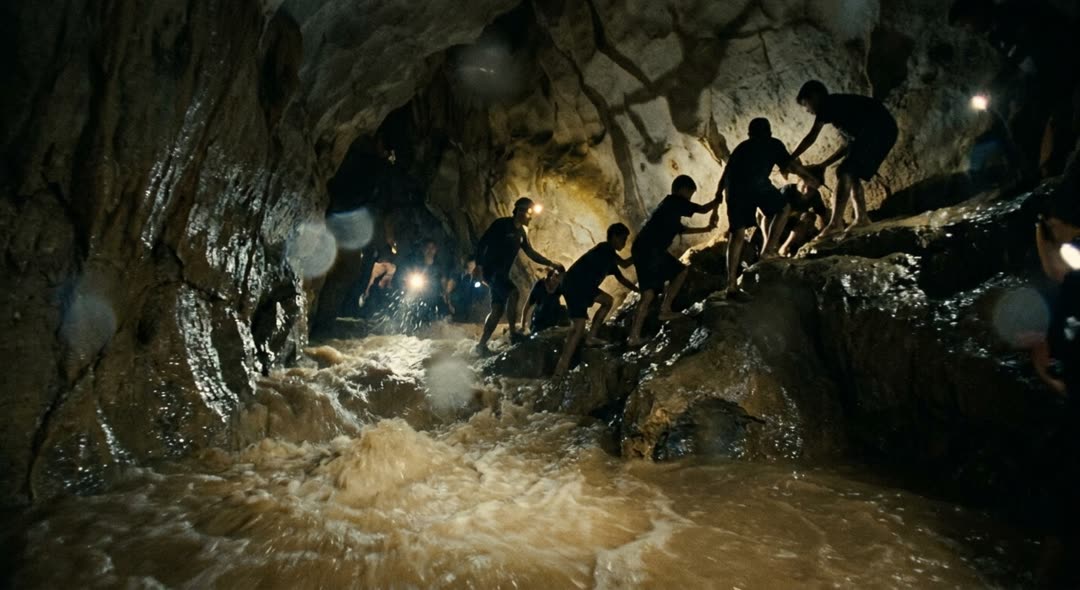
On Saturday 23 June, twelve boys from the Wild Boars academy team and their 25-year-old coach, Ekaphol Chantawong, cycled to the Tham Luang cave after football practice. Sudden monsoon downpours rose behind them and cut off the exit, forcing the group deeper onto higher ground inside the flooded network. A mother reported her son missing that day, and bicycles and football kit were found at the cave entrance. The search grew into an international operation, drawing specialist divers from Australia, Britain, Japan and the United States alongside around 1,000 Thai rescuers led by the navy SEALs.
Late on the night of Monday 2 July, British divers John Volanthen and Rick Stanton found all thirteen alive, huddled on an elevated rock nearly two miles inside. The relief did not last. A former Thai navy SEAL died on Friday 6 July when he ran out of air underwater, with oxygen in the chamber falling to around 15%.
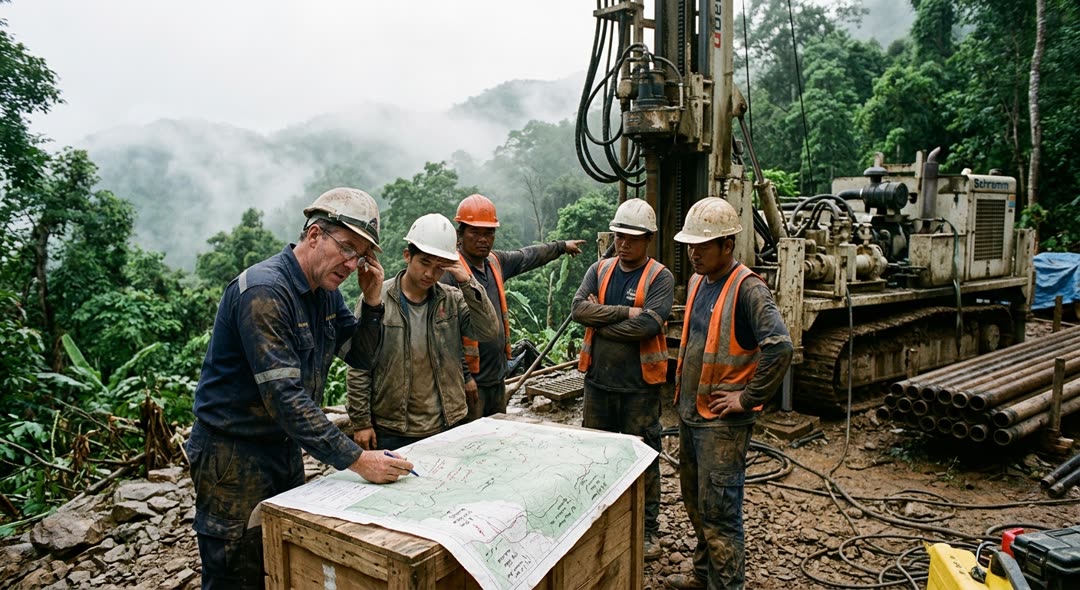
With oxygen in the boys’ chamber down to fifteen percent, and medics warning that coma would set in at twelve, the options had narrowed. A plan to drill some six hundred metres down from the jungle above had foundered because engineers could not work out where to put the hole. That left the water, which had been called “definitely the scariest option.” Each boy would be tethered to a diver for the first 1.7 kilometres, then strapped to a stretcher on a pulley system for the last 1.5.
The operation launched inside the cave at ten in the morning on Sunday 8 July. At about half past two, a diver surfaced holding the first of the boys at Pattaya Beach, an elevated mound in the cave’s third chamber that rescuers had first hoped would shelter the group, only to find it flooded. A third boy came out at 7:40 that evening, a fourth at 7:50. At nine o’clock Narongsak Osatanakorn, the former governor of Chiang Rai who was leading the operation, called a press conference and confirmed that four boys had been freed.
Saman Kunan was a former Thai navy SEAL, and on Friday 6 July he ran out of air while delivering oxygen tanks inside the cave. He had come to carry breathable air to the boys. He did not come back out.
Eight boys and their coach were still inside, waiting on the rock for the divers to come back the next morning.
The crevice near Sam Yaek Junction was only thirty-eight centimetres wide. It was the tightest point on the whole escape route. A 25-year-old Thai navy SEAL had to take off his air tank to crawl through it. He felt the edges of the hole on his back and his chest.
At 5:40 p.m. on Sunday 8 July 2018, the first boy came out of the Tham Luang cave. He wore a full-face scuba mask. He came out hours ahead of the most hopeful predictions. The cave runs under the Doi Nang Non mountains in Chiang Rai province, in northern Thailand near the border with Myanmar. It is a flooded maze six miles long. A sign at its mouth warns people not to enter during the rainy season.
The second boy followed ten minutes later. Both boys were carried out through water. Round-the-clock pumping had only partly drained it. More than a million cubic metres of water was hauled from the cave before the dive-out could begin.
On Saturday 23 June, twelve boys from the Wild Boars academy team and their 25-year-old coach cycled to the Tham Luang cave after football practice. The coach was Ekaphol Chantawong. Sudden monsoon downpours rose behind them and cut off the exit. This forced the group deeper onto higher ground inside the flooded cave. A mother reported her son missing that day. Bicycles and football kit were found at the cave entrance.
The search grew into an international operation. It drew specialist divers from Australia, Britain, Japan and the United States. Around 1,000 Thai rescuers, led by the navy SEALs, also came.
Late on the night of Monday 2 July, British divers John Volanthen and Rick Stanton found all thirteen alive. The group was huddled on a rock nearly two miles inside.
The relief did not last. Saman Kunan was a former Thai navy SEAL. On Friday 6 July he ran out of air while delivering oxygen tanks inside the cave. He had come to carry breathable air to the boys. He did not come back out.
Oxygen in the boys’ chamber fell to fifteen percent. Medics warned that coma would set in at twelve. The options had narrowed. A plan to drill some six hundred metres down from the jungle above failed. Engineers could not work out where to put the hole. That left the water. It had been called “definitely the scariest option.” Each boy was tethered to a diver for the first 1.7 kilometres. Then each boy was strapped to a stretcher on a pulley system for the last 1.5.
The operation launched inside the cave at ten in the morning on Sunday 8 July. At about half past two, a diver surfaced holding the first boy at Pattaya Beach. This was an elevated mound in the cave’s third chamber. Rescuers had first hoped it would shelter the group, but they found it flooded. A third boy came out at 7:40 that evening. A fourth came out at 7:50. At nine o’clock Narongsak Osatanakorn called a press conference. He was the former governor of Chiang Rai and was leading the operation. He confirmed that four boys had been freed.
Eight boys and their coach were still inside. They waited on the rock for the divers to come back the next morning.
Words to learn
Sentence patterns
Sudden monsoon downpours rose behind them and cut off the exit, forcing the group deeper onto higher ground inside the flooded network.The bridge closed without warning, stranding hundreds of commuters on the far side of the river.
With oxygen in the boys’ chamber down to fifteen percent, and medics warning that coma would set in at twelve, the options had narrowed.With funding almost gone, and the deadline only days away, the research team had to choose which experiments to abandon.
At about half past two, a diver surfaced holding the first of the boys at Pattaya Beach, an elevated mound in the cave’s third chamber that rescuers had first hoped would shelter the group, only to find it flooded.The volunteers set up their base at the old schoolhouse, a low brick building on the edge of town that had stood empty for years.
Sudden monsoon downpours rose behind them and cut off the exit.The heavy rain filled the river and covered the road.
The second boy followed ten minutes later.The last bus arrived twenty minutes late.
More than a million cubic metres of water was hauled from the cave before the dive-out could begin.We cleaned the whole house before the guests arrived.
Discussion questions
- Rescuers described diving as “definitely the scariest option,” yet chose it over drilling from the jungle above. Based on the story, why did the water route win out, and how would you weigh dangerous choices like that if the decision were yours?
- Saman Kunan ran out of air while carrying oxygen to the boys and did not come back out. What does the story reveal about the risks the rescuers accepted, and would you be willing to take on that kind of danger for people you had never met?
- The first boys emerged hours ahead of even the most optimistic predictions. What details in the operation’s setup made the timing so hard to forecast, and how do you personally deal with plans whose outcome you cannot predict?
- The rescuers chose the water, which they called “definitely the scariest option.” Do you think they made the right choice? Why?
- Divers from many countries came to help strangers in danger. Would you help people you do not know, even if it was risky?
- The boys waited many days on a dark rock inside the cave. How do you think you would feel in that situation?