Thirty-Eight Tanks Against the Sky
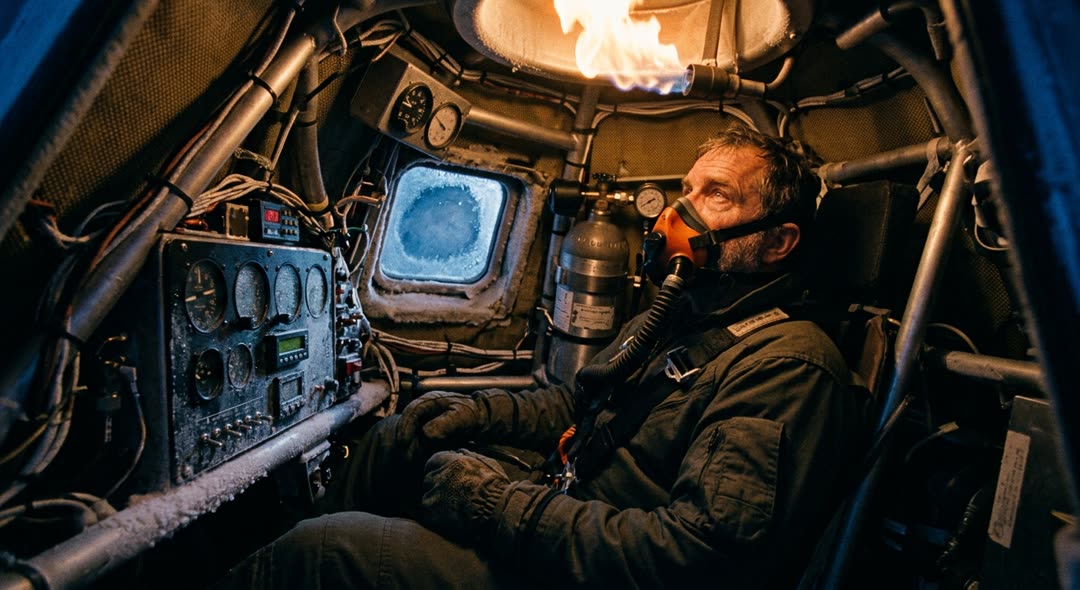
Propane fire cracked overhead every few minutes, lit by a machine so the pilot could sleep. Inside the Kevlar cube a custom heater held the air somewhere between 4 and 21 degrees. Steve Fossett breathed bottled oxygen and waited for a wind to carry him east.
In July 2002 he was flying the Bud Light Spirit of Freedom above Queensland, Australia, on his sixth solo attempt since 1996 to become the first person to circle the world alone in a balloon. The Chicago-based aviator had nearly died chasing it before: in August 1998 his balloon ruptured in a thunderstorm and he fell 8,900 metres into the Coral Sea, surviving 23 hours in a life raft before rescue. This time the balloon was holding. The circle was nearly closed.
Fossett was a Chicago-based aviator who had chased this one circle since 1996. He launched the Bud Light Spirit of Freedom from Northam, in western Australia, on June 19, 2002. The envelope was a Rozière, a combination of helium and hot air, built by Donald Cameron of Cameron Balloons in Bristol, England. The type took its name from Pilâtre de Rozier, who made the first manned balloon flight in 1783. This was his sixth try. Five earlier ones had ended with the circle still open.
The Rozière stacked a helium cell on top and a hot-air cone below, and the burners warmed the air, which warmed the helium above to give him lift. A Comstock Autopilot fired those burners on its own to hold a constant altitude, which was the only reason he could close his eyes at all. He averaged three hours of sleep a day, taken in cat naps of forty-five minutes or less.
Between them he ate MREs, military meals ready to eat that he warmed with chemical heat packs and a little water. He reached Mission Control over the Inmarsat C satellite system, with a satellite telephone held in reserve as backup. The wind held east, and the circle drew closed.
On July 4, 2002, he set the capsule down in Queensland, Australia, fourteen days and 19 hours after lifting off from Northam. He was the first person to fly solo around the world in a balloon.
Four years earlier the sea had him. The balloon he was flying then came apart and dropped him into the water, and he climbed into a life raft and stayed there twenty-three hours, alone, waiting for someone to come. No wind carried him that time; he simply floated and counted the hours until rescue.
The balloon that carried him around was called the Bud Light Spirit of Freedom, and it came down in a cattle-country stretch of Queensland with the burners finally quiet. He had left Northam alone and he landed alone.
Inside the balloon, a custom heater held the air between 4 and 21 degrees. Steve Fossett breathed bottled oxygen. He waited for a wind to carry him east.
Fossett wanted to fly around the world alone in a balloon. He was an aviator from Chicago. He had tried to do this since 1996.
In July 2002 he was flying a balloon called the Bud Light Spirit of Freedom. He was above Queensland, Australia. This was his sixth try.
He launched the balloon from Northam, in western Australia, on June 19, 2002. Five earlier tries had failed.
The balloon was a Rozière, which used both helium and hot air. Donald Cameron built it at Cameron Balloons in Bristol, England.
The Rozière took its name from Pilâtre de Rozier. He made the first manned balloon flight in 1783.
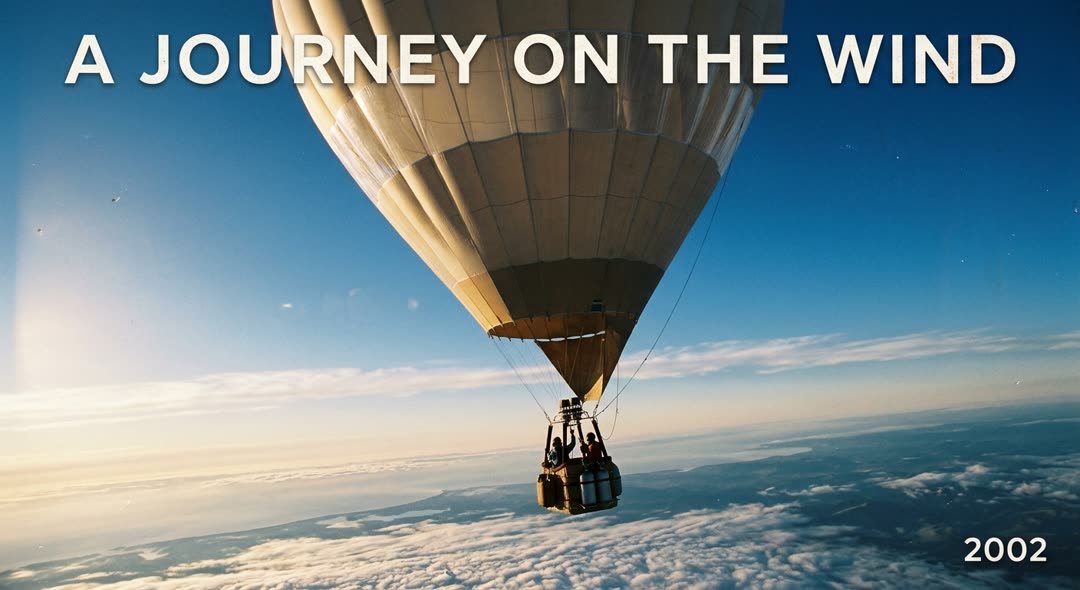
The balloon had a helium cell on top and a hot-air cone below. The burners warmed the air, which warmed the helium and gave him lift.
A propane fire cracked overhead every few minutes. A machine lit the fire, so Fossett could sleep.
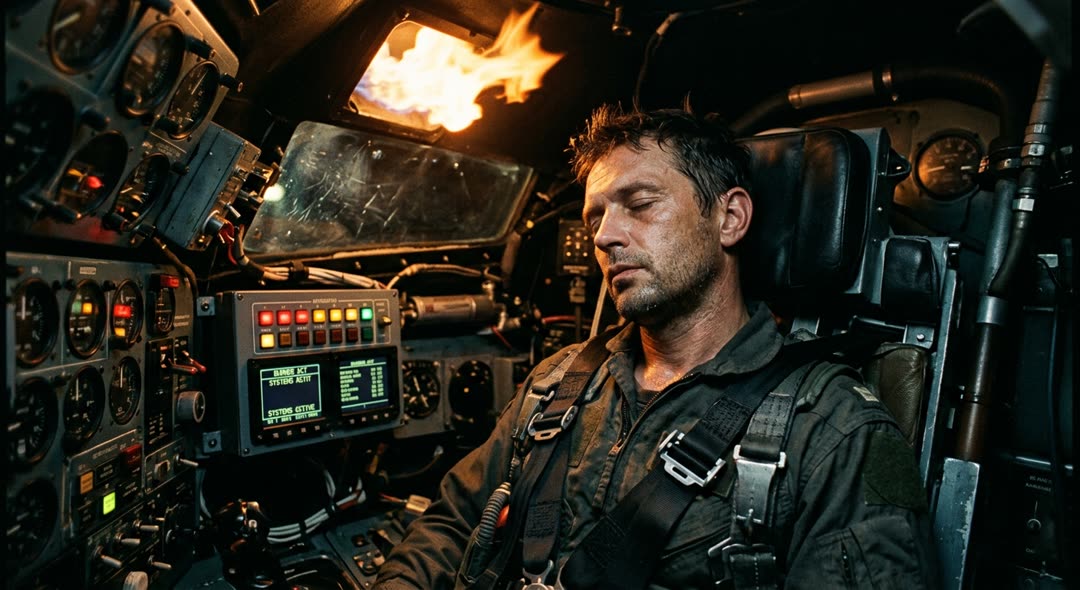
A Comstock Autopilot fired the burners on its own. It held a constant height, so Fossett could close his eyes and sleep.
He slept about three hours a day. He took short cat naps of forty-five minutes or less.
He ate MREs, which are military meals ready to eat. He warmed them with chemical heat packs and a little water.
He talked to Mission Control over the Inmarsat C satellite system. He kept a satellite telephone as backup.
The wind held from the west and carried him east. The circle around the world was nearly closed.
Four years earlier, in August 1998, the sea nearly killed him. His balloon came apart in a thunderstorm.
He fell 8,900 metres into the Coral Sea. He climbed into a life raft. He waited there alone for twenty-three hours before rescue.
This time the balloon held together. On July 4, 2002, he set the balloon down in Queensland, Australia.
The flight took fourteen days and 19 hours after he left Northam. He was the first person to fly solo around the world in a balloon.
He had left Northam alone, and he landed alone.
Words to learn
Sentence patterns
The Chicago-based aviator had nearly died chasing it before: in August 1998 his balloon ruptured in a thunderstorm and he fell 8,900 metres into the Coral Sea, surviving 23 hours in a life raft before rescue.The climbers reached the summit at dawn, resting only briefly before starting the long descent.
A Comstock Autopilot fired those burners on its own to hold a constant altitude, which was the only reason he could close his eyes at all.The new bridge cut the commute in half, which was the main reason the town’s population grew.
He averaged three hours of sleep a day, taken in cat naps of forty-five minutes or less.She earned a modest salary, paid in small weekly amounts throughout the year.
A machine lit the fire, so Fossett could sleep.The rain stopped, so we went outside.
He ate MREs, which are military meals ready to eat.She bought a bike, which was very fast.
He launched the balloon from Northam, in western Australia, on June 19, 2002.They opened the shop in the city on May 5, 2010.
Discussion questions
- Fossett made six attempts over six years and kept going even after nearly dying in 1998. What do you think kept bringing him back to the same goal, and have you ever returned to something difficult after an early failure?
- Much of the flight depended on machines, including an autopilot that fired the burners so he could sleep. How do you feel about relying on automation for something dangerous, and where would you draw the line between trusting a machine and staying in control yourself?
- Fossett left Northam alone and landed alone after two weeks in a small capsule. What would be hardest for you about that kind of solitude, and how might someone prepare for it?
- Steve Fossett tried six times before he flew around the world. Do you think it is good to keep trying after you fail? Why?
- Fossett flew alone for many days. Would you like to do something big alone, or with other people? Why?
- Fossett slept only three hours a day on his flight. Do you think you could do something hard with very little sleep?