The Rice Fields Became Glass Towers
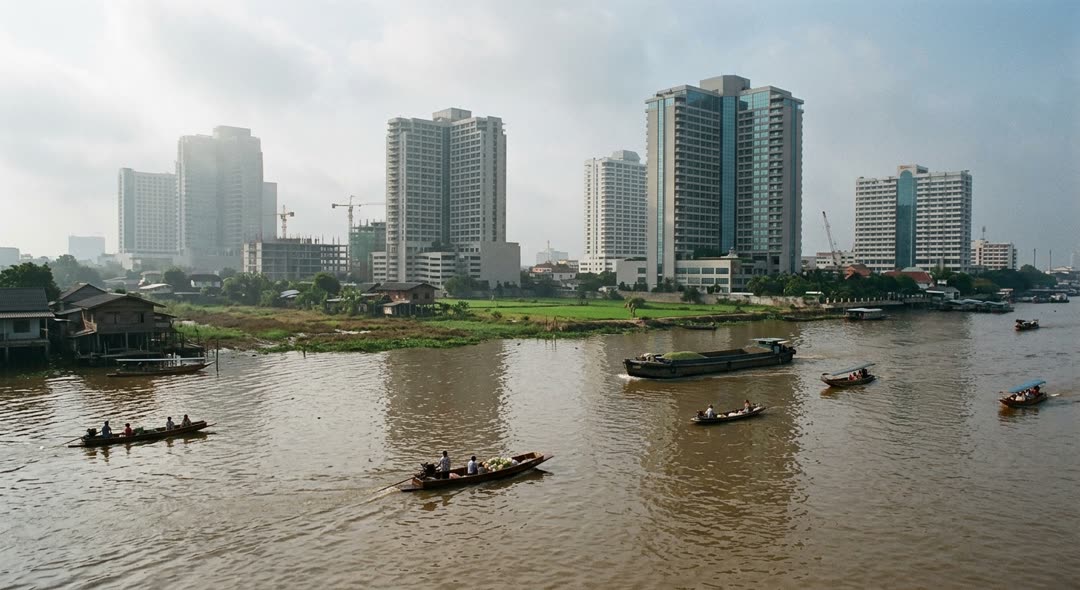
Business buildings where rice had grown. Along both banks of the Chao Phraya river in Bangkok, hotels and restaurants stood on ground that ten years earlier had been wet paddy fields. The water still moved past them the same way.
By 1997, that transformation marked how far Thailand’s economy had climbed. The fields that had once lined both sides of the river were gone, built over as the money came in. In Bangkok, the change was easy to see from the water. What had been rice was now concrete, glass, and the business of a boom.
The money that built those towers came from abroad. Since the early 1990s foreign capital had poured into Thailand, drawn to a currency the government had fixed to the US dollar and to banks that ranked among the world’s most profitable. More than fifty banks and non-bank financial institutions had emerged to move it, and much of what they lent went into real estate. Jeffrey Sachs, the economist, warned that under-capitalized banks had every incentive to borrow abroad and lend at home with reckless abandon, because the owners bore little of the risk themselves.
By 1995 the growth had slowed. China had risen as a trade competitor, and world demand for semiconductors, one of Thailand’s major exports, fell in 1996. On February 5, 1997, Somprasong became the first Thai company to miss a foreign-debt repayment.
The speculators came for the baht, betting its dollar peg could not hold. A speculative attack is a concerted move against a currency, and the smaller the economy, the harder it tends to be hit. The Bank of Thailand, the country’s central bank, met them in the forward market, committing dollars it did not have on hand to hold the fixed rate. It kept at this until a new finance minister opened the books and found that $28 billion of the country’s $30 billion in international reserves was already spent.
On July 2, 1997, Thailand gave up. It abandoned the fixed peg and switched to a flexible exchange rate regime, letting the baht find its own value on the market rather than pinning it to the dollar. The currency had traded in a narrow band between 24.91 and 25.59 to the dollar; it now fell 15 to 20 percent at once, to 28.80.
It kept falling. By December the baht reached 48.80 to the dollar, the lowest since Thailand began keeping records in 1969, a decline of more than 50 percent across the second half of the year.
Malaysia sat next door, exposed to the same crisis and the same fleeing capital. Over the same period, it held its foreign direct investment proportion above 90 percent.
The towers stayed where they were, standing over the old riverbank whether or not the loans that raised them could be paid.
In Bangkok, the Chao Phraya river runs past hotels and restaurants. Ten years earlier, this ground was wet rice fields. The water still moves past them the same way.
By 1997, this change showed how far Thailand’s economy had climbed. The rice fields along the river were gone. Builders had covered them when money came in. What had been rice was now concrete and glass.
The money that built the towers came from abroad. Since the early 1990s, foreign money had poured into Thailand. The government fixed the currency to the US dollar. Thai banks were among the most profitable in the world. More than fifty banks and other financial companies moved this money. Much of what they lent went into real estate.
Jeffrey Sachs, an economist, gave a warning. Weak banks had every reason to borrow abroad and lend at home carelessly. This was because the owners took little of the risk themselves.
By 1995, the growth had slowed. China had risen as a trade competitor. World demand for semiconductors fell in 1996. Semiconductors were one of Thailand’s major exports. On February 5, 1997, Somprasong became the first Thai company to miss a foreign-debt repayment.
Then speculators came for the baht. They bet that its link to the dollar could not hold. A speculative attack is a shared move against a currency. The smaller the economy, the harder it tends to be hit.
The Bank of Thailand is the country’s central bank. It met the speculators in the forward market. It promised dollars that it did not have on hand, so it could hold the fixed rate. It kept doing this for a while. Then a new finance minister opened the books. He found that $28 billion of the country’s $30 billion in reserves was already spent.
On July 2, 1997, Thailand gave up. It ended the fixed link to the dollar. It switched to a flexible exchange rate regime. This let the baht find its own value on the market. Before, the currency had traded between 24.91 and 25.59 to the dollar. Now it fell 15 to 20 percent at once, to 28.80.
It kept falling. By December, the baht reached 48.80 to the dollar. This was the lowest since Thailand began keeping records in 1969. It was a fall of more than 50 percent in the second half of the year.
Malaysia sat next door. It faced the same crisis and the same fleeing money. Over the same period, it held its foreign direct investment above 90 percent.
The towers stayed where they were. They stood over the old riverbank. It did not matter if the loans that built them could be paid.
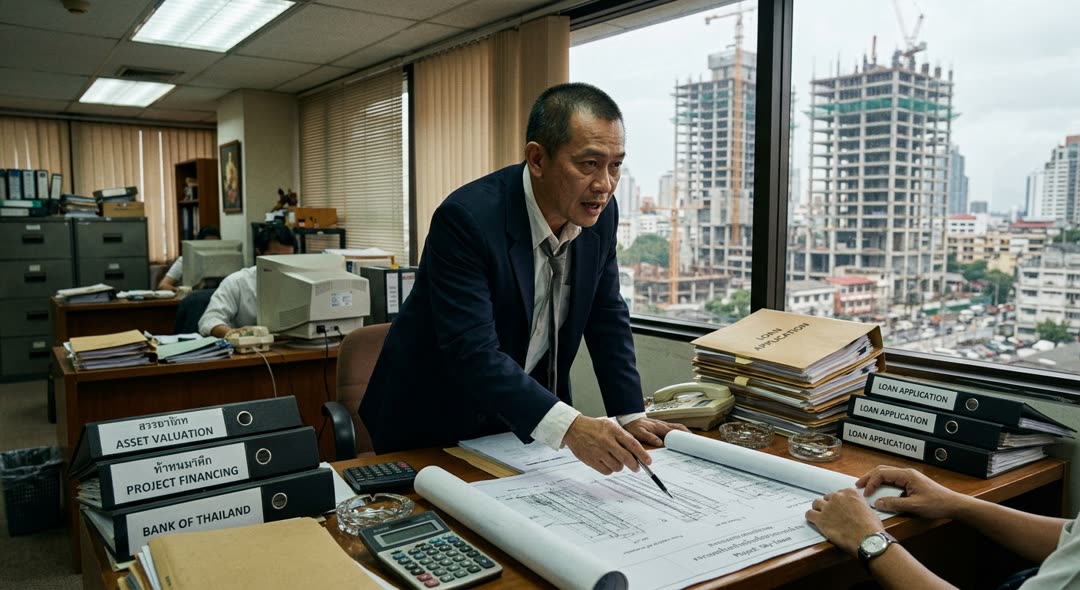
Words to learn
Sentence patterns
It abandoned the fixed peg and switched to a flexible exchange rate regime, letting the baht find its own value on the market rather than pinning it to the dollar.She closed the shop an hour early, leaving the rest of the stock for the next morning.
Jeffrey Sachs, the economist, warned that under-capitalized banks had every incentive to borrow abroad and lend at home with reckless abandon, because the owners bore little of the risk themselves.Maria Santos, the head teacher, announced the new timetable to the whole staff.
A speculative attack is a concerted move against a currency, and the smaller the economy, the harder it tends to be hit.The higher the mountain, the thinner the air becomes.
The smaller the economy, the harder it tends to be hit.The colder the water, the faster the ice forms.
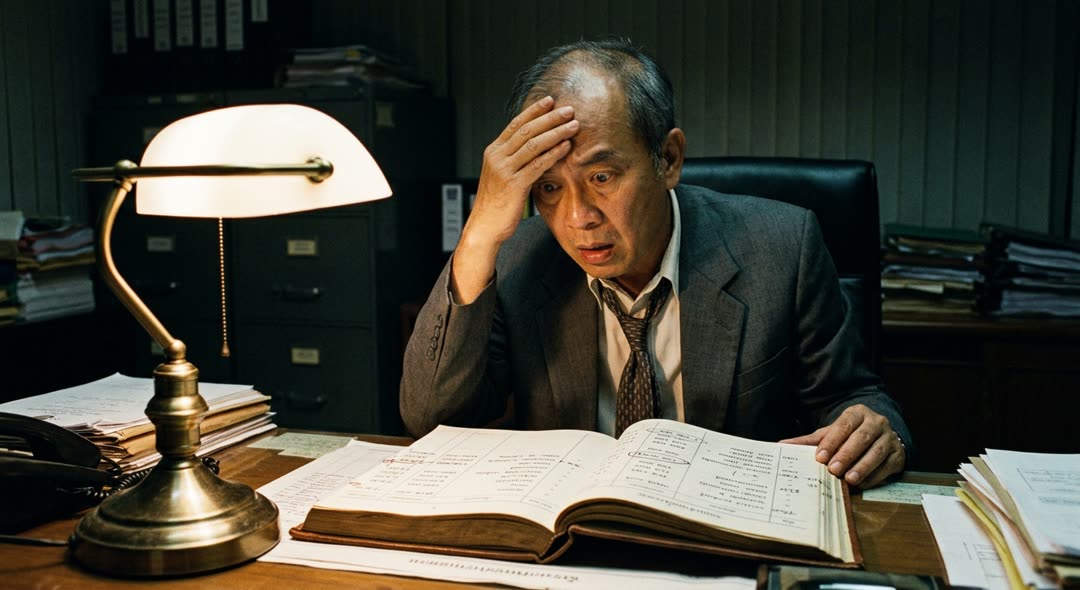
Discussion questions
- Much of the foreign money that flowed into Thailand went into real estate. Why might lending so heavily into property be risky, and have you seen a similar boom where money chased one kind of asset?
- Jeffrey Sachs argued that bank owners lent with reckless abandon because they bore little of the risk themselves. Do you think people act differently when they are not the ones who lose if things go wrong? Give an example.
- Malaysia kept its foreign direct investment proportion above 90 percent while the baht collapsed next door. What might explain why one country weathered the same crisis better, and how much do you think the type of foreign money matters?
- Do you think it was safe for Thailand’s banks to borrow so much money from abroad? Why?
- The towers stayed even after the crisis. Would you want to live or work in a building like that? Why?
- Malaysia faced the same crisis but chose a different path. Do you think it is a good idea to copy what another country does?