The Helicopter at the Flying Club
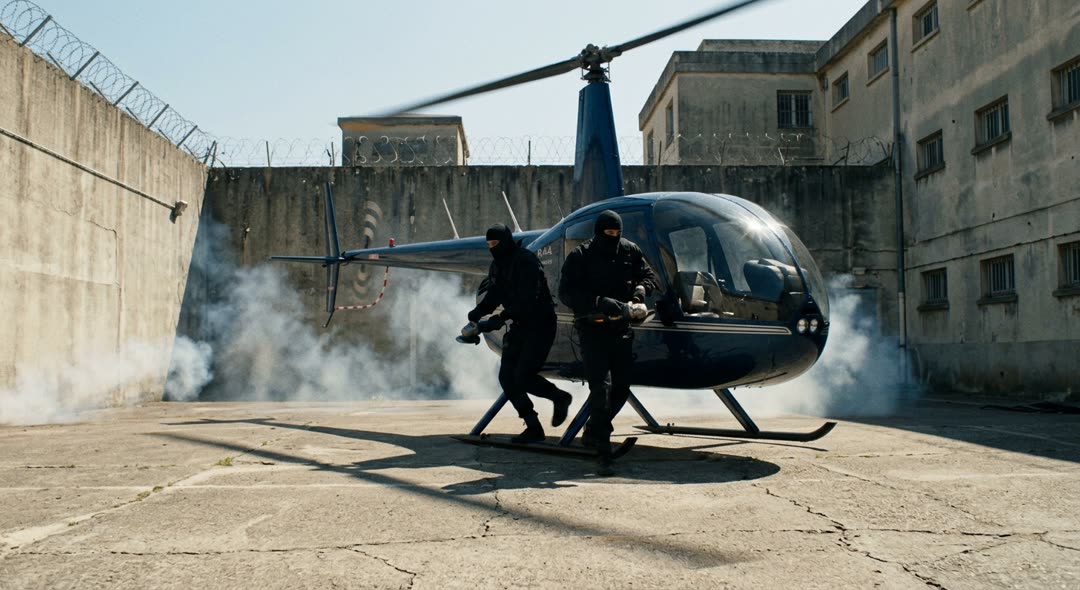
Smoke. A helicopter dropped into the prison courtyard and two men in black came down out of it, angle grinders already in their hands.
It was 1 July 2018, at Réau prison in France. The pilot had set down in the one courtyard not fitted with anti-helicopter netting, which had fallen out of use. The two accomplices lit smoke bombs and cut through the visiting-room doors to reach Rédoine Faïd, a convicted armed robber. Ten minutes later the breakout was over and he was gone.
Rédoine Faïd was born in 1972 and grew up in a rough quarter north of Paris. By the 1990s he was running a gang that pulled armed robberies and extortion across the capital, and he never hid where the choreography came from. He made no secret of his inspiration. He had watched the 1995 heist film Heat seven times in the cinema and a hundred times on DVD, and at a Paris film festival he once walked up to the film’s director, Michael Mann, and introduced himself as Mann’s technical adviser. Arrested in 1998 after three years on the run through Switzerland and Israel, where he disguised himself as an ultra-Orthodox Jew and learned Hebrew, he turned the story into a book, and French police took to calling him L’Écrivain, the writer. Underneath the celebrity ran a darker line: in 2010 a robbery he masterminded ended with a twenty-six-year-old policewoman, Aurélie Fouquet, shot dead.
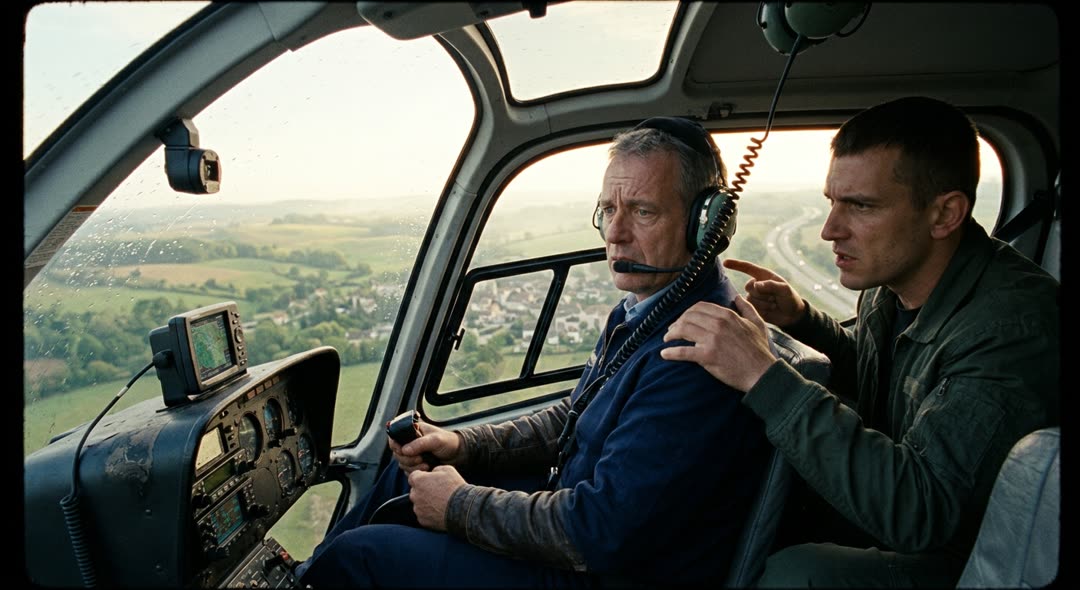
Around nine o’clock on the morning of Sunday 1 July 2018, two men walk into a small flying club at Fontenay-Trésigny, east of Paris, and introduce themselves as a father and son booked for a first-time flying lesson. Once the rotors are turning and the aircraft is up, the instructor becomes a hostage, and the helicopter is turned southeast toward Réau, fifty kilometres from Paris, where the Sud-Francilien prison stands.
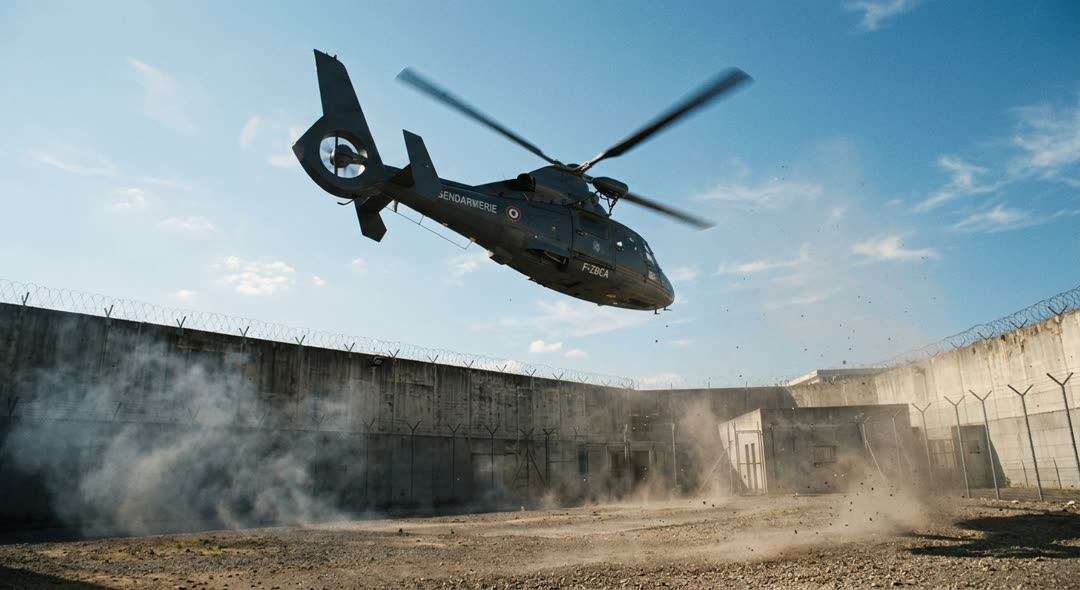
At about a quarter past eleven the helicopter drops into the prison courtyard. The armed accomplices move straight to the visiting room, where Faïd is sitting with his brother. The wardens are unarmed, and they flee and raise the alarm. Ten minutes after the skids touched the ground, the helicopter lifts off again with Faïd aboard, and he is gone.
The cameras loved the helicopter and the angle grinders and the smoke. Aurélie Fouquet was twenty-six, a policewoman, and in 2010 she was shot dead in a robbery Faïd had masterminded. She does not appear in any of the footage.
Three months later police tracked him to Creil, north of Paris, and he was back behind a cell door.
On 1 July 2018, a helicopter dropped into a prison courtyard in Réau, France. Two men in black came out of it. They held angle grinders in their hands. The pilot landed in the one courtyard with no anti-helicopter netting. The netting was old and nobody used it now. The two men lit smoke bombs. They cut through the visiting-room doors. They wanted to reach Rédoine Faïd, a convicted armed robber. Ten minutes later, the breakout was over and he was gone.
Rédoine Faïd was born in 1972. He grew up in a rough quarter north of Paris. By the 1990s he ran a gang. The gang did armed robberies and extortion across the city. Faïd loved a 1995 heist film called Heat. He watched it seven times in the cinema and a hundred times on DVD. At a Paris film festival, he met the director, Michael Mann. He told Mann he was his technical adviser. Police arrested Faïd in 1998 after three years on the run. He had hidden in Switzerland and Israel. In Israel he dressed as an ultra-Orthodox Jew and learned Hebrew. He turned his story into a book. French police called him L’Écrivain, the writer. But there was a darker side. In 2010 he planned a robbery. A young policewoman, Aurélie Fouquet, was shot dead. She was twenty-six years old.
The escape started earlier that morning. Around nine o’clock on Sunday 1 July 2018, two men walked into a small flying club. The club was at Fontenay-Trésigny, east of Paris. They said they were a father and son. They said they wanted a first flying lesson. When the helicopter was in the air, the instructor became a hostage. The men turned the helicopter southeast toward Réau. Réau is fifty kilometres from Paris. The Sud-Francilien prison stands there.
At about a quarter past eleven, the helicopter dropped into the prison courtyard. The armed men went straight to the visiting room. Faïd was sitting there with his brother. The wardens had no weapons. They ran away and raised the alarm. Ten minutes after the helicopter landed, it lifted off again. Faïd was on board, and he was gone.
The cameras loved the helicopter, the angle grinders, and the smoke. But Aurélie Fouquet does not appear in any of the film. She was a policewoman. She was shot dead in 2010 in a robbery Faïd had planned.
Three months later, police found him in Creil, north of Paris. He was back behind a cell door.
Words to learn
Sentence patterns
Arrested in 1998 after three years on the run through Switzerland and Israel, where he disguised himself as an ultra-Orthodox Jew and learned Hebrew, he turned the story into a book, and French police took to calling him L’Écrivain, the writer.Trained for months in the mountains, the climbers reached the summit before dawn.
The cameras loved the helicopter and the angle grinders and the smoke.The market sold bread and cheese and olives and wine.
The pilot had set down in the one courtyard not fitted with anti-helicopter netting, which had fallen out of use.She moved into the old farmhouse at the edge of town, which had stood empty for years.
When the helicopter was in the air, the instructor became a hostage.When the bell rang, the children left the classroom.
Police arrested Faïd in 1998 after three years on the run.The team won the game after a long, hard fight.
They ran away and raised the alarm.She opened the door and looked outside.
Discussion questions
- Faïd openly modelled himself on the heist film Heat and even introduced himself to its director as a technical adviser. How might a criminal’s fascination with films about crime shape the way they act, and do stories like his change how you view crime films?
- The story sets the spectacle of the helicopter, the angle grinders and the smoke against the death of Aurélie Fouquet, who “does not appear in any of the footage.” Why do you think dramatic escapes capture public attention more than their victims, and have you noticed this in news you follow?
- The breakout succeeded partly because one courtyard’s anti-helicopter netting had fallen out of use. How much responsibility should institutions bear for security measures they let lapse, and can you recall a time when a small oversight led to a big problem?
- Do you think the prison was ready for an escape like this? Why or why not?
- Faïd loved films about crime. Do you think films can change how people act?
- The cameras loved the helicopter and the smoke, but they forgot Aurélie Fouquet. Why do you think some stories get more attention than others?