The Birthday the FBI Came
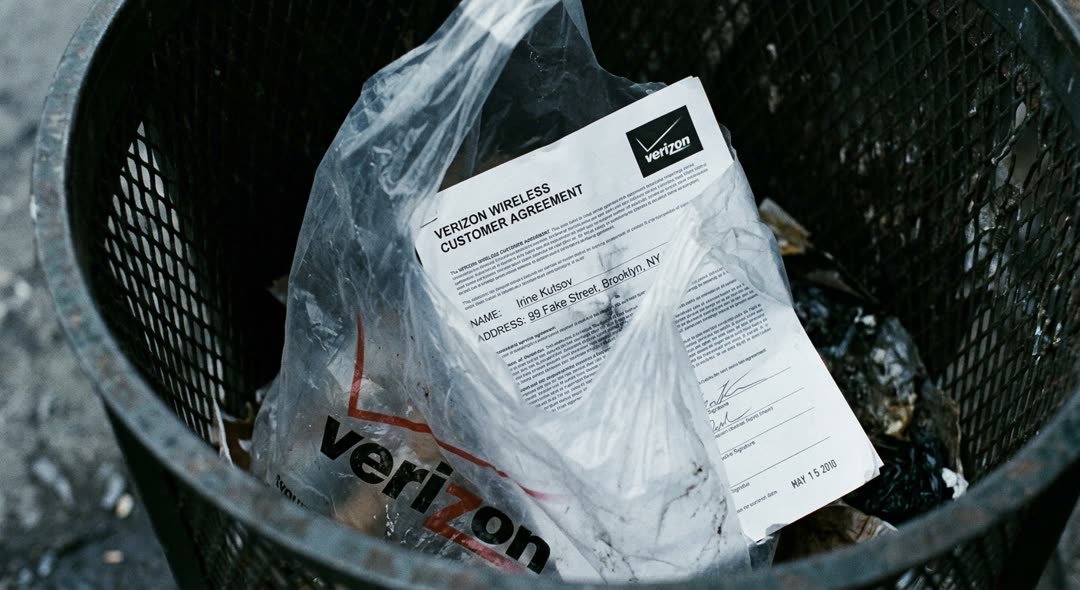
“99 Fake Street.” That was the address printed on a Motorola phone contract folded inside a Verizon bag, dropped into a Brooklyn garbage can, under a customer name that read Irine Kutsov. The FBI had been watching the hand that let it go.
For years the bureau had run a multi-year investigation into a network of United States-based agents of the SVR, the foreign intelligence service of the Russian Federation, run out of a Moscow headquarters its own people called Center. The network was built of deep-cover agents known as Illegals, operatives working without diplomatic cover, an alleged conspiracy that stretched from about the 1990s up to the present. Some used their own names, like Anna Chapman, the woman who had tossed the bag. Others lived behind invented ones, a couple calling themselves Richard and Cynthia Murphy who had bought a house in New Jersey.
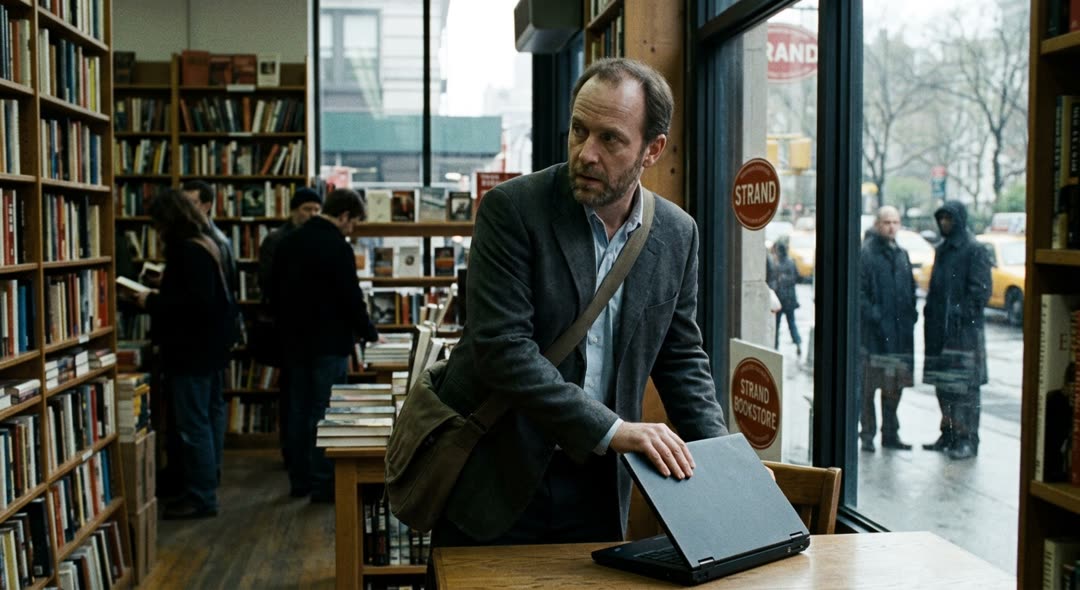
For ten Wednesdays between January and June of 2010, agents watched Anna Chapman drift into the vicinity of a Russian government official who came and went through the doors of the Russian Mission to the United Nations, a man the FBI’s complaint would name only as Russian Government Official #1. Whatever passed between them passed without a word, machine to machine, her laptop reaching toward his as the two of them sat near each other in coffee shops and bookstores. On April 7 the official broke off one of those exchanges, having caught the shape of FBI surveillance moving around him.
The bureau kept watching. Chapman’s own line ran back to Moscow, to a father who was a KGB veteran working inside the Ministry of Foreign Affairs, the kind of inheritance that does not show up on a Verizon contract or a Brooklyn lease.
On Saturday, June 26, around eleven in the morning, an undercover FBI agent calls Anna Chapman in Russian and asks her to come into New York from Connecticut, where she has been spending the weekend. The next day, June 27, the bureau’s cameras catch Semenko, another of the illegals operating under his own name, sliding a newspaper into a drop site in Arlington at about 11:06; agents pull it back out at 11:50.
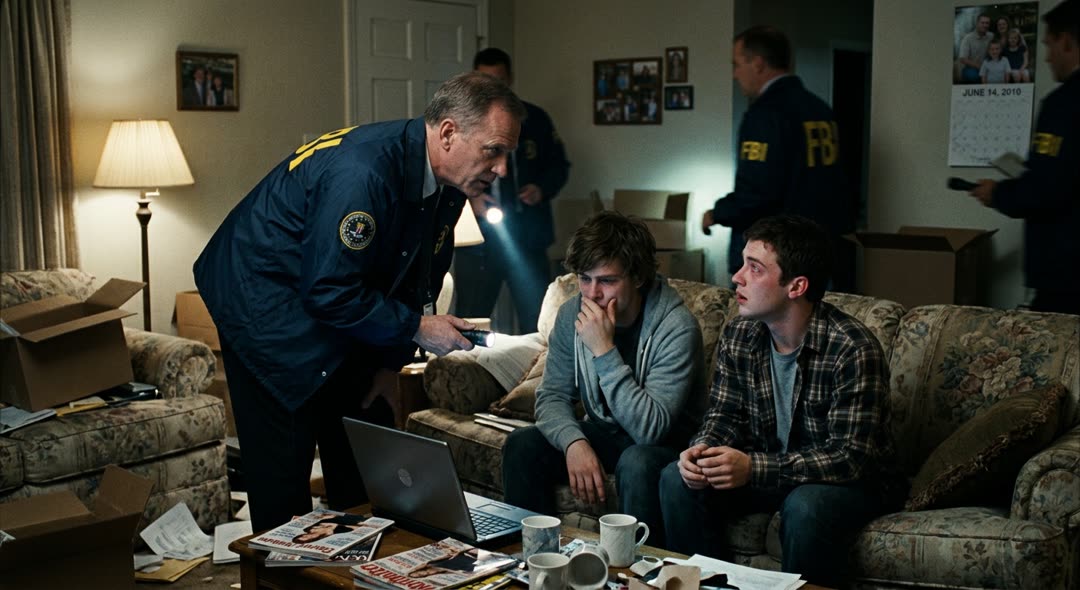
That day in Cambridge, Massachusetts, the couple who have lived as Donald Heathfield and Tracey Foley take their elder son, Tim, who turns twenty that day, and his younger brother Alex out to an Indian restaurant near the house. Back at the home, a team of black-clad men carrying a battering ram comes to the door and enters shouting “FBI!”, while a second team comes through the back. An agent tells the two brothers their parents have been arrested on suspicion of being “unlawful agents of a foreign government.”
The search-and-seizure warrant for the residence lists 191 items carried out the door. A few days later the brothers hear on the radio that ten Russian spies have been rounded up across the United States, the closing act of an FBI effort called Operation Ghost Stories.
The charge that came down was conspiracy to act as unregistered agents of a foreign government. Espionage was not among the counts. Across a network built over something like two decades, no classified information had reached Moscow.
Two weeks later the ten were flown to Vienna and handed across an airport tarmac for four men Russia had held in its own prisons. Tim and Alex Heathfield, born in Canada, found out their last name was Vavilov.
The FBI watched a hand drop a bag into a garbage can in Brooklyn. Inside the bag was a Motorola phone contract. The contract showed the address “99 Fake Street” and the name Irine Kutsov. The hand belonged to Anna Chapman.
For years the FBI studied a group of agents. These agents worked for the SVR. The SVR is the foreign intelligence service of Russia. These agents were called Illegals. They worked in the United States without diplomatic cover. Some used their real names, like Anna Chapman. Others used fake names. One couple called themselves Richard and Cynthia Murphy and bought a house in New Jersey.
For ten Wednesdays between January and June of 2010, agents watched Anna Chapman. She moved close to a Russian official near the Russian Mission to the United Nations. The FBI called him only Russian Government Official #1. They did not speak. Her laptop talked to his laptop. They sat in coffee shops and bookstores. On April 7 the official stopped one of these exchanges. He had seen FBI agents watching him.
The FBI kept watching. Chapman’s father was a KGB veteran. He worked inside the Ministry of Foreign Affairs.
On Saturday, June 26, around eleven in the morning, an undercover FBI agent called Anna Chapman. He spoke in Russian and asked her to come into New York from Connecticut. She had been spending the weekend there.
The next day, June 27, the FBI watched Semenko, another of the illegals. He used his own name too. He slid a newspaper into a drop site in Arlington at about 11:06. Agents pulled it back out at 11:50.
That same day in Cambridge, Massachusetts, another couple lived as Donald Heathfield and Tracey Foley. They took their elder son Tim and his younger brother Alex to an Indian restaurant. Tim turned twenty that day. Back at the home, men in black came to the door with a battering ram. They entered shouting “FBI!” A second team came through the back. An agent told the two brothers their parents were arrested. The parents were suspected of being “unlawful agents of a foreign government.”
The warrant for the house listed 191 items carried out the door. A few days later the brothers heard on the radio that ten Russian spies were caught. This was the end of an FBI effort called Operation Ghost Stories.
The charge was conspiracy to act as unregistered agents of a foreign government. Espionage was not one of the counts. Over about two decades, no secret information had reached Moscow.
Two weeks later the ten were flown to Vienna. There they were handed over for four men. Russia had held these men in its prisons. Tim and Alex Heathfield were born in Canada. They found out their real last name was Vavilov.
Words to learn
Sentence patterns
On April 7 the official broke off one of those exchanges, having caught the shape of FBI surveillance moving around him.She left the meeting early, having sensed the mood turning against her.
Whatever passed between them passed without a word, machine to machine, her laptop reaching toward his as the two of them sat near each other in coffee shops and bookstores.Whatever he decided that night stayed with him for the rest of his life.
Some used their own names, like Anna Chapman, the woman who had tossed the bag.We hired Diego Ruiz, the engineer who had redesigned the bridge.
Two weeks later the ten were flown to Vienna.The next morning the children walked to school.
Her laptop talked to his laptop while they sat in coffee shops and bookstores.She read a book while her brother watched TV.
Chapman’s father was a KGB veteran who worked inside the Ministry of Foreign Affairs.I have a friend who works in a hospital.
Discussion questions
- The ten were charged with conspiracy to act as unregistered agents rather than with spying, and the story notes that no classified information had reached Moscow. Why might a government still treat such a network as a serious threat, and do you find that reaction justified?
- Tim and Alex grew up as the sons of Donald Heathfield and Tracey Foley and only later learned their family name was Vavilov. How might discovering a hidden family identity affect children, and have you ever learned something surprising about your own family’s past?
- The agents were flown to Vienna and exchanged for four men held in Russian prisons just two weeks after the arrests. What do you think of settling cases like this through prisoner swaps instead of long trials?
- Do you think it was hard for the agents to live every day with fake names? Why?
- The two brothers found out their real last name was Vavilov. How do you think they felt, and why?
- Would you like a job where you must keep many secrets? Why or why not?