The Veteran With No Photo ID
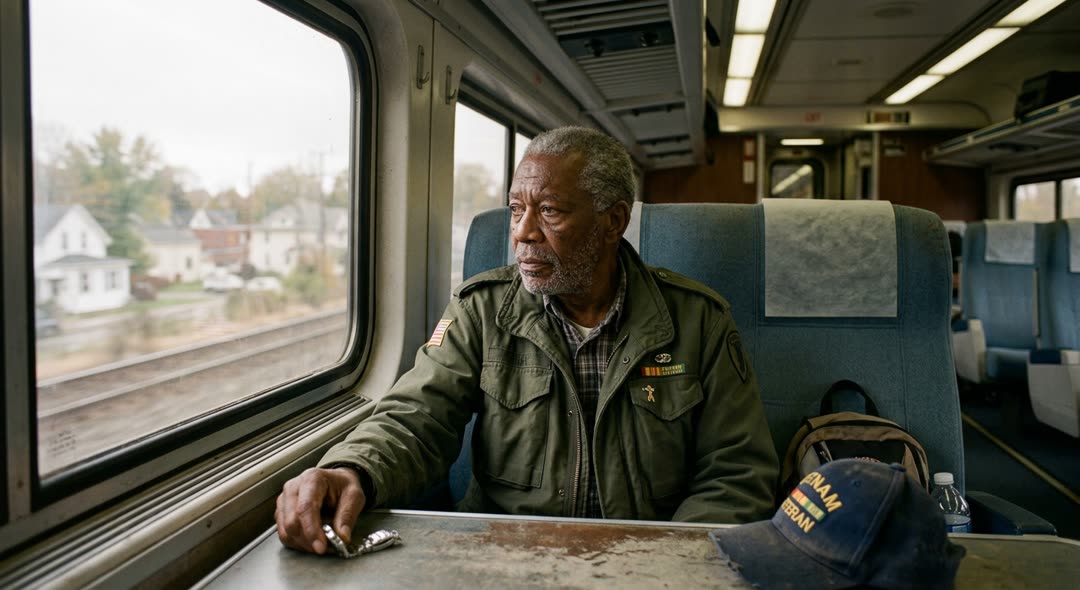
Eleven hours on the train.
Craig Debose, a Vietnam veteran and longtime South Carolina resident, settled into his seat and watched the towns slide past the window. In 2012 he was riding to Washington, D.C., to testify in a Section 5 lawsuit. He had no car and no photo ID, and under the rules he came to speak about, he could have lost his own vote.
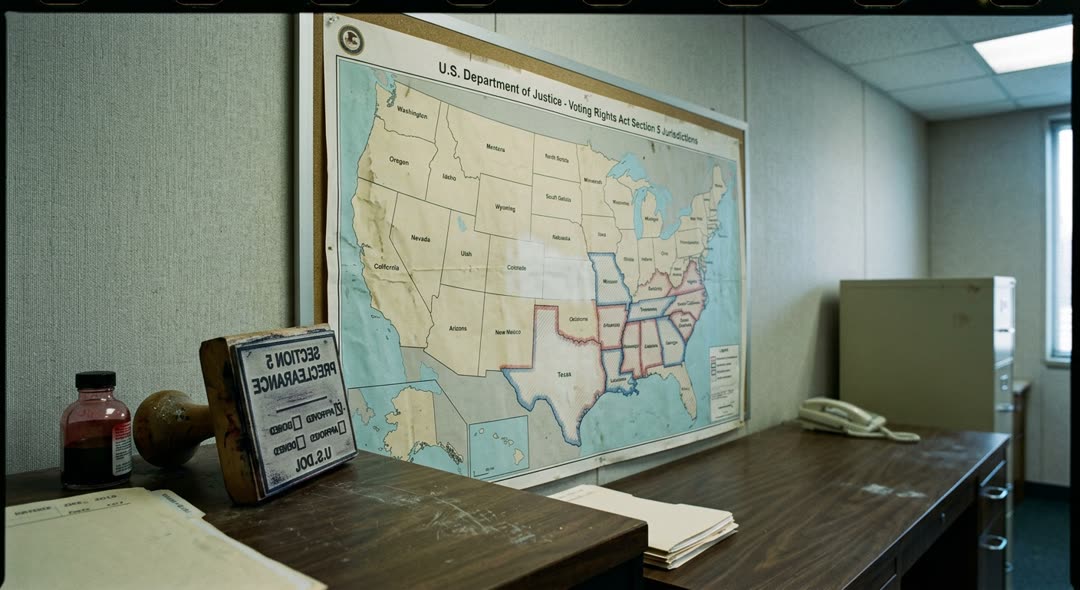
Section 5 of the Voting Rights Act, the provision Debose rode the train to defend, had been written into law in 1965. In covered places it froze every change to election practice until the state could prove the change carried neither discriminatory purpose nor effect. A jurisdiction fell under that coverage if it had kept a “test or device” limiting registration as of a reference date, and if fewer than half of its voting-age residents had registered or voted in the matching presidential election. It was meant to be temporary. U.S. District Judge John Bates observed that the coverage formula’s mere presence had stopped lawmakers from pitching hundreds more dubious laws.
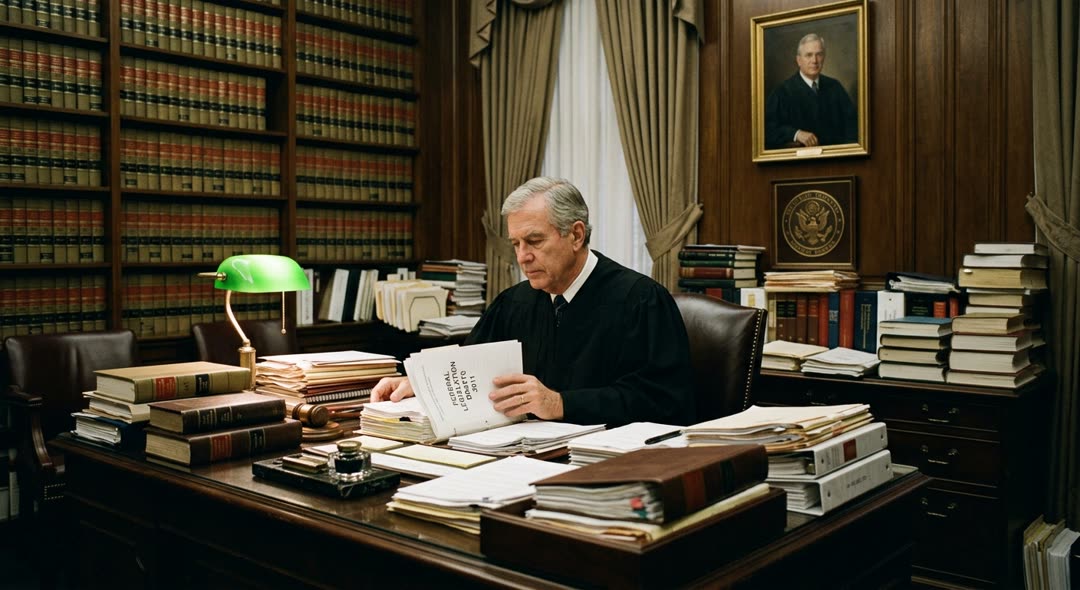
On June 25, 2013, Chief Justice John G. Roberts delivered the majority opinion in Shelby County v. Holder, and the vote was five to four. He was joined by Justices Antonin Scalia, Anthony Kennedy, Clarence Thomas, and Samuel Alito, all five appointed by Republican presidents. The Court struck down Section 4, the coverage formula that decided which states and localities had to obtain federal permission before changing their voting rules, a requirement known as preclearance. Roberts wrote that the formula rested on forty-year-old facts with no logical relation to present conditions, and that the law “imposes current burdens and must be justified by current needs.” The Court left Section 5 itself, the preclearance mechanism, on the books, but without a formula to name the covered places, there was nothing left for it to reach.
Justice Ruth Bader Ginsburg wrote for the four dissenters, joined by Justices Stephen Breyer, Sonia Sotomayor, and Elena Kagan. She wrote that throwing out preclearance when it was still working to stop discriminatory changes was like throwing away your umbrella in a rainstorm because you are not getting wet. “The sad irony of today’s decision lies in its utter failure to grasp why the VRA has proven effective,” she wrote.
Roberts had argued this position before. In 1983, as a young lawyer in the Reagan Administration, he had worked to block an earlier renewal of the Voting Rights Act. Thirty years separated the memos from the opinion.
Within hours of the ruling, the states once frozen under the formula were free to change their voting rules without asking anyone first.
Craig Debose sat on a train for eleven hours. He was a Vietnam veteran. He had lived in South Carolina for a long time. In 2012 he was riding to Washington, D.C. He wanted to speak in a Section 5 lawsuit. He had no car and no photo ID. Under the rules he came to talk about, he could lose his own vote.
Section 5 of the Voting Rights Act became law in 1965. In some places it stopped every change to voting rules. A state had to first prove the change was not unfair. A place fell under these rules in two ways. It had kept a “test or device” that limited who could register. And fewer than half of its adults had registered or voted. The rules were meant to be temporary. Judge John Bates said the rules stopped lawmakers from trying hundreds of bad laws.
On June 25, 2013, Chief Justice John G. Roberts gave the main opinion. The case was Shelby County v. Holder. The vote was five to four. Four other judges agreed with him. They were Antonin Scalia, Anthony Kennedy, Clarence Thomas, and Samuel Alito. Republican presidents had chosen all five.
The Court struck down Section 4. This was the formula that decided which places needed federal permission first. This permission was called preclearance. Roberts wrote that the formula used forty-year-old facts. He said the law “imposes current burdens and must be justified by current needs.” The Court kept Section 5 itself. But there was no formula to name the covered places. So there was nothing left for it to reach.
Justice Ruth Bader Ginsburg wrote for the four judges who did not agree. Stephen Breyer, Sonia Sotomayor, and Elena Kagan joined her. She said preclearance was still stopping unfair changes. Throwing it out was like throwing away your umbrella in a storm because you are not getting wet. “The sad irony of today’s decision lies in its utter failure to grasp why the VRA has proven effective,” she wrote.
Roberts had said this before. In 1983 he was a young lawyer in the Reagan Administration. He worked to block an earlier renewal of the Voting Rights Act. Thirty years passed between the memos and the opinion.
Within hours of the ruling, the frozen states were free. They could change their voting rules without asking anyone first.
Words to learn
Sentence patterns
Section 5 of the Voting Rights Act, the provision Debose rode the train to defend, had been written into law in 1965.The old harbour bridge, the structure her father had helped to build, was finally closed to traffic last winter.
He was joined by Justices Antonin Scalia, Anthony Kennedy, Clarence Thomas, and Samuel Alito, all five appointed by Republican presidents.The prize went to four young engineers, all of them trained at the same small college.
She wrote that throwing out preclearance when it was still working to stop discriminatory changes was like throwing away your umbrella in a rainstorm because you are not getting wet.Cancelling the flood barriers while the river was still rising was like selling your coat in winter because the morning had felt warm.
Craig Debose sat on a train for eleven hours.She waited at the bus stop for two hours.
On June 25, 2013, Chief Justice John G. Roberts gave the main opinion.On May 1, 2020, the city opened a new school.
Throwing it out was like throwing away your umbrella in a storm because you are not getting wet.She stayed home because she felt sick.
Discussion questions
- Roberts argued that a law “imposes current burdens and must be justified by current needs,” while Ginsburg compared ending preclearance to throwing away an umbrella in the rain. Which argument do you find more convincing, and why?
- Craig Debose rode the train for eleven hours to defend a rule that protected his own vote. What does his effort suggest about how much individuals should be expected to do to protect their rights, and would you make a similar effort?
- The story notes that Roberts had worked to block a renewal of the Voting Rights Act thirty years before he wrote this opinion. How much should a person’s earlier positions shape the way we read their later decisions?
- Craig Debose travelled for eleven hours to speak about the rules. Would you travel a long way to speak about something important to you? Why?
- The rules were meant to be temporary. Do you think old rules should change when times change? Why?
- Ginsburg and three other judges did not agree with the decision. Do you think it is good when people share different opinions? Why?