The Black and Yellow Mustang
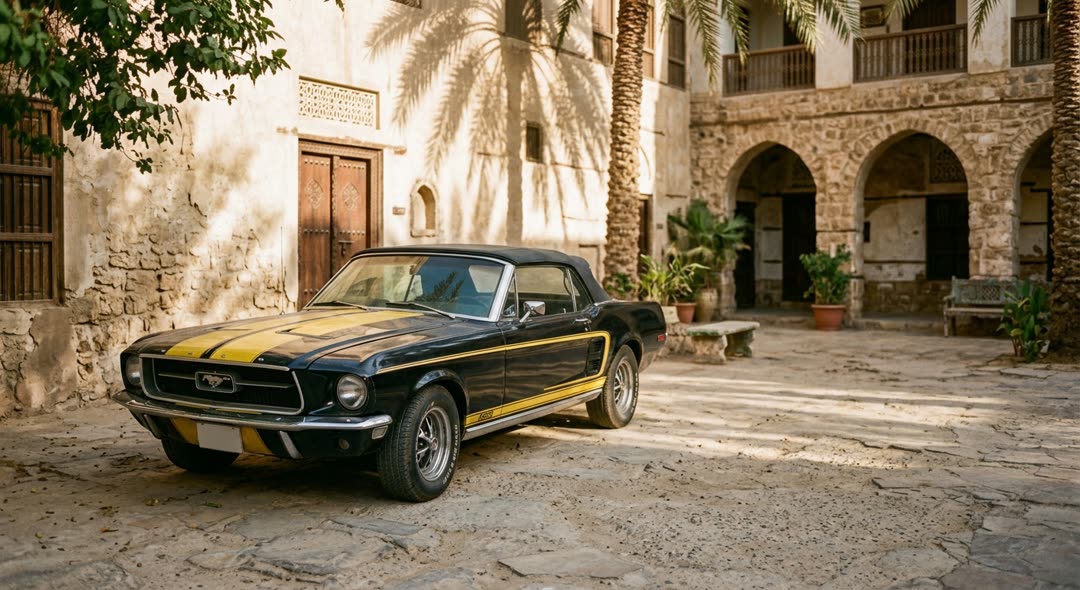
Black and yellow. A convertible Mustang, the dream car, waiting somewhere in Jeddah for a road its owner had never legally been allowed to drive on.
Sahar Nassif, a campaigner, told the BBC from Jeddah that she was “very, very excited – jumping up and down and laughing.” In 2018 Saudi Arabia officially lifted its ban on women driving. The decision came to a country that had only recently let women into National Day celebrations for the first time, a night of fireworks and light shows and a concert at King Fahd International Stadium in Riyadh. Nassif already knew what she would buy.
Until the decree, Saudi Arabia was the only country on earth that banned women from driving. Only men held licences. Women who drove in public risked arrest and fines, and some were imprisoned, so many families employed private drivers, and an estimated 800,000 foreign chauffeurs, imported from south and south-east Asia, ferried Saudi women around. The ban sat inside a wider system of gender segregation, where Saudi law enforced a strict form of Sunni Islam known as Wahhabism and a woman needed her male guardian’s permission to travel, work, or reach a hospital.
For years, rights groups in the kingdom had pushed against it. Manal al-Sharif, who organised the Women2Drive campaign, had been imprisoned for driving, and Loujain al-Hathloul had spent 73 days in detention in 2014 for the same act of crossing into the country behind the wheel.
The order comes on 26 September 2017. King Salman issues a decree saying women will be allowed to drive, with a ministerial body to be set up within thirty days to advise on how it will work, the whole thing to take effect by 24 June 2018. The decree falls in line with Vision 2030, the programme that Crown Prince Mohammed bin Salman promotes to modernise Saudi society.
The words come fast. Loujain al-Hathloul tweets two of them, “thank God.” Manal al-Sharif says the country would “never be the same again.” Prince Khaled bin Salman calls it “an historic and big day.” The US state department welcomes the move as “a great step in the right direction.”
Then 24 June 2018 arrives, and for the first time Saudi women can legally drive.
In May 2018, weeks before the ban lifted, Loujain al-Hathloul was detained. She had tweeted “thank God” when the decree came. Now she sat in a cell as the date she had pushed toward drew closer.
The Mustang was still in Jeddah, black and yellow, waiting. The road outside it was hers to drive now.
A black and yellow Mustang waited in Jeddah. It was a dream car. Its owner had never been allowed to drive it on the road.
Sahar Nassif was a campaigner. She told the BBC from Jeddah that she was “very, very excited – jumping up and down and laughing.” In 2018 Saudi Arabia officially lifted its ban on women driving. Not long before, women had joined National Day celebrations for the first time. There were fireworks, light shows, and a concert at King Fahd International Stadium in Riyadh. Nassif already knew what car she would buy.
Before this, Saudi Arabia was the only country that banned women from driving. Only men held licences. Women who drove in public could be arrested or fined. Some women were put in prison. So many families paid private drivers. About 800,000 foreign drivers came from south and south-east Asia. They drove Saudi women around.
The ban was part of a bigger system. Saudi law followed a strict form of Sunni Islam called Wahhabism. Under it, men and women were kept apart. A woman needed her male guardian’s permission to travel, work, or reach a hospital.
For years, rights groups pushed against the ban. Manal al-Sharif organised the Women2Drive campaign. She was put in prison for driving. Loujain al-Hathloul spent 73 days in detention in 2014. Her crime was driving across the border into the country.
The order came on 26 September 2017. King Salman issued a decree. It said women would be allowed to drive. A ministerial body would be set up within thirty days to advise on how it would work. The whole thing would take effect by 24 June 2018. The decree matched Vision 2030. This is the programme that Crown Prince Mohammed bin Salman promotes to modernise Saudi society.
The words came fast. Loujain al-Hathloul tweeted two of them: “thank God.” Manal al-Sharif said the country would “never be the same again.” Prince Khaled bin Salman called it “an historic and big day.” The US state department welcomed the move as “a great step in the right direction.”
Then 24 June 2018 arrived. For the first time, Saudi women could legally drive.
But in May 2018, only weeks before the ban lifted, Loujain al-Hathloul was detained. She had tweeted “thank God” when the decree came. Now she sat in a cell. The day she had pushed toward was drawing closer.
The Mustang was still in Jeddah, black and yellow, waiting. The road outside it was hers to drive now.
Words to learn
Sentence patterns
“Until the decree, Saudi Arabia was the only country on earth that banned women from driving.”“For decades, that village was the only place in the region that still ground its flour by hand.”
“Manal al-Sharif, who organised the Women2Drive campaign, had been imprisoned for driving, and Loujain al-Hathloul had spent 73 days in detention in 2014 for the same act of crossing into the country behind the wheel.”“Dr Alvarez, who had studied the volcano for years, warned the council that an eruption was overdue.”
“In May 2018, weeks before the ban lifted, Loujain al-Hathloul was detained.”“In March 2020, only days before the festival opened, the organisers cancelled the entire programme.”
In 2018 Saudi Arabia officially lifted its ban on women driving.In 2020 the city opened a new library for children.
Women who drove in public could be arrested or fined.People who lived near the river left their homes.
She had tweeted “thank God” when the decree came.He smiled when his friend arrived.
Discussion questions
- The story shows campaigners like Loujain al-Hathloul being detained even as the change they fought for was taking effect. Why do you think this happened, and how would you feel about reaching a goal while being punished for pursuing it?
- Before the ban lifted, many families relied on foreign chauffeurs to move women around. How might daily life shift for a family when a long-standing restriction is suddenly removed? Have you ever experienced a rule in your own life changing this way?
- The decree was tied to Vision 2030’s aim to modernise society. Do you think changing a law on its own is enough to change how people actually live day to day, or what else do you think is needed?
- Do you think it was fair that only men could drive in Saudi Arabia before 2018? Why?
- Sahar Nassif was very excited about buying a car. Would you feel the same if a new right came to you?
- Some women were put in prison for driving. Do you think it is right to fight against a rule you believe is unfair?