Your voice, but not your words
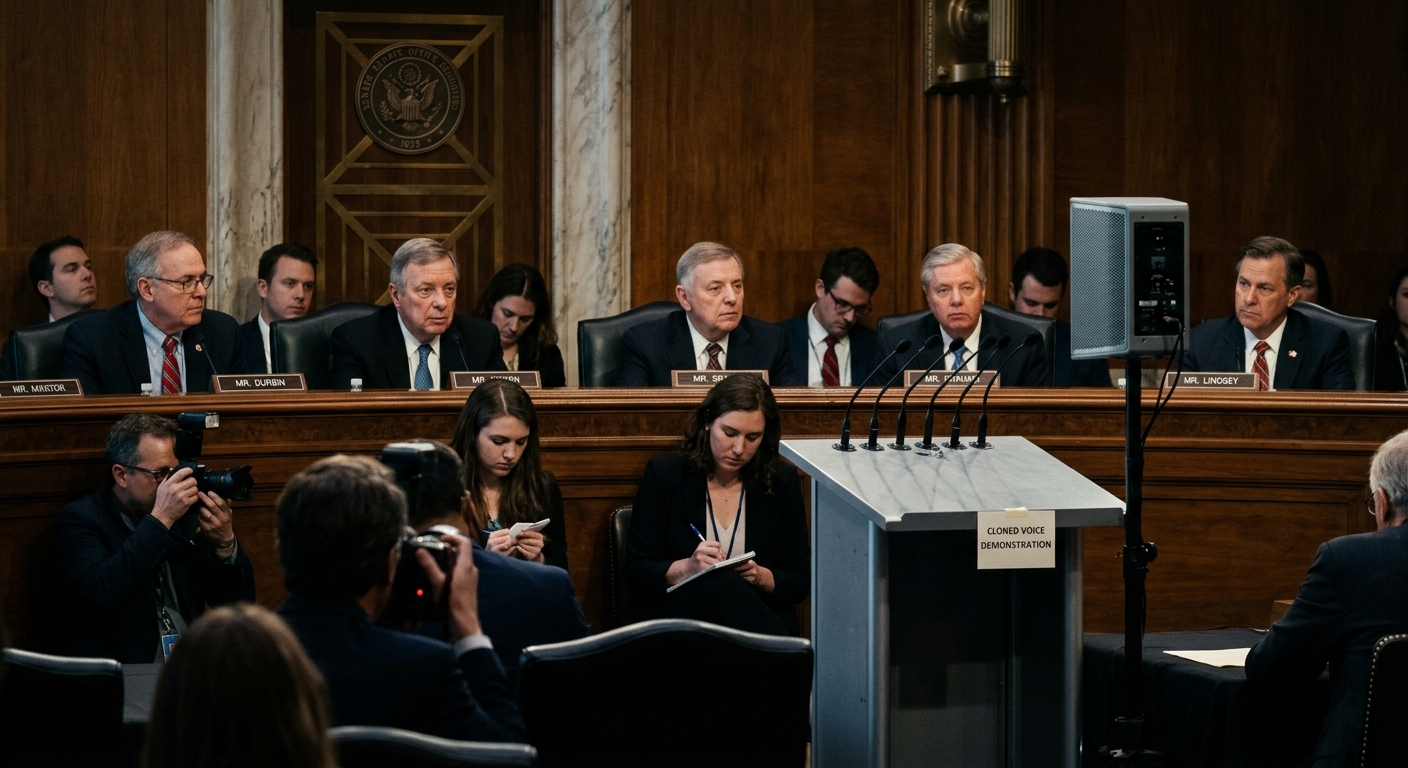
A voice that was not a voice filled the hearing room. It carried the cadence and grain of Senator Richard Blumenthal of Connecticut, trained on recordings of his own floor speeches, but no human throat had shaped the words. ChatGPT had written the script; a separate AI model spoke it aloud.
On May 16, 2023, the Senate Judiciary Committee convened in Washington, D.C. to question Sam Altman, CEO of OpenAI, about the regulation of artificial intelligence. Altman’s San Francisco startup had rocketed into public attention after releasing ChatGPT, a free chatbot that answered questions with convincingly human-like responses. Microsoft had since poured billions of dollars into the company, integrating OpenAI’s technology into its Bing search engine. Blumenthal’s opening stunt with the cloned voice was the committee’s way of showing the room what they were here to talk about.
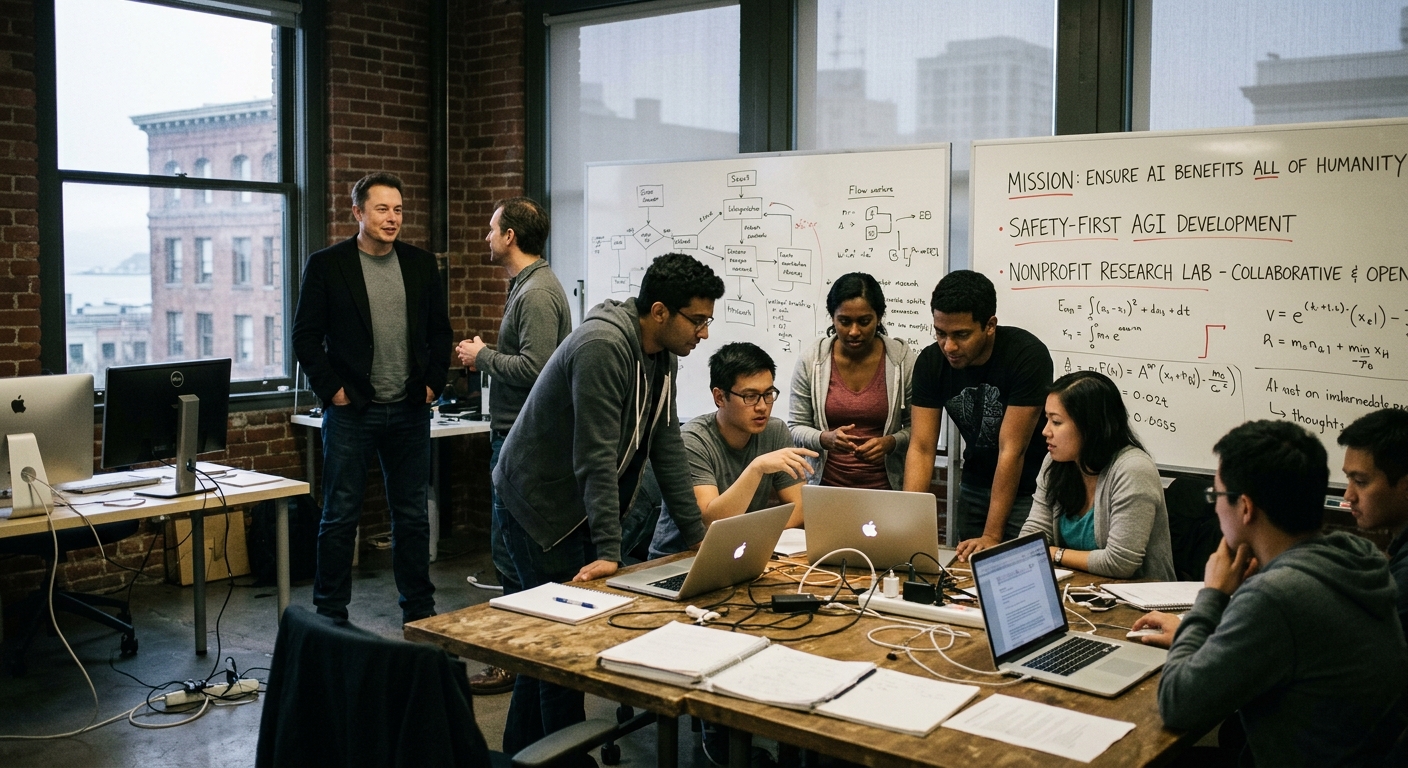
Altman had co-founded OpenAI in 2015 as a nonprofit research lab, backed in part by Elon Musk’s money. The stated mission was to build artificial intelligence safely and make it broadly available. Musk later broke with the organization. By the spring of 2023, OpenAI had become one of the most watched companies in Silicon Valley, its chatbot a household verb barely five months after launch, its corporate partner writing checks measured in billions.
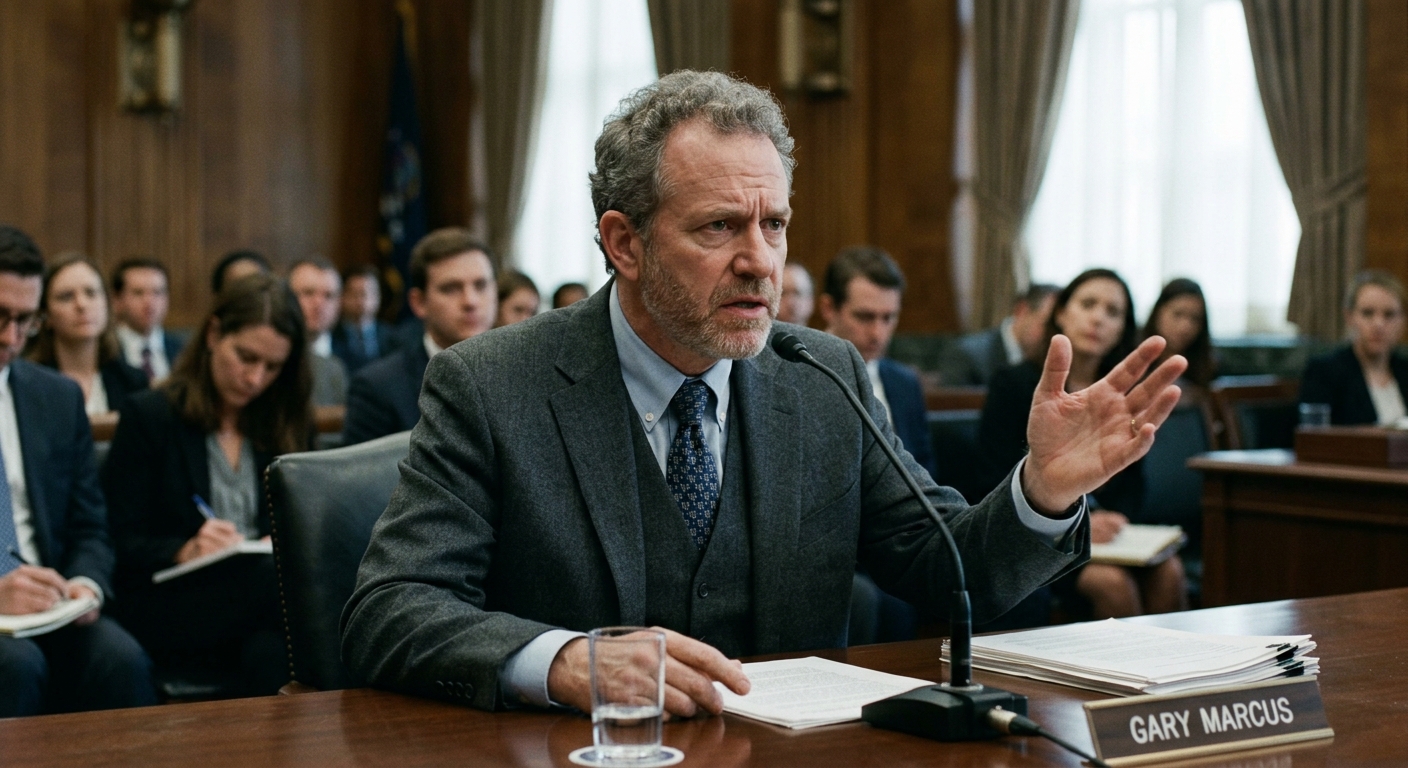
He sat at the witness table alongside two other figures who represented the argument’s poles. Christina Montgomery, IBM’s chief privacy and trust officer, would urge Congress toward what she called “precision regulation,” rules written around specific uses of AI rather than the technology as a whole. Gary Marcus, a professor emeritus at New York University who had publicly called on OpenAI and other firms to pause their development of more powerful models, would push harder.
“As this technology advances, we understand that people are anxious about how it could change the way we live. We are too.” Altman’s opening carried a tone closer to confession than sales pitch. He told the senators that sufficiently advanced AI systems could one day “self-replicate and self-exfiltrate into the wild,” a scenario he raised not to deflect but to justify the ask that followed: Congress should create a new federal or global agency with the authority to license the most powerful AI models and “take that license away and ensure compliance with safety standards.”
Montgomery, speaking for IBM, urged what she called “precision regulation,” rules written around specific uses of AI, election deepfakes or medical diagnostics, rather than broad restrictions on the underlying technology. Marcus pushed in the opposite direction. Senator Josh Hawley framed the stakes from his side of the dais: “Artificial intelligence will be transformative in ways we can’t even imagine, with implications for Americans’ elections, jobs, and security.”
Blumenthal steered the conversation back to the voice clone that had opened the session. He asked what would have happened if he had requested “an endorsement of Ukraine surrendering or Vladimir Putin’s leadership.” OpenAI had released GPT-4 only two months earlier, in March 2023, and no licensing body existed to vet what it could or could not produce. Hawley called the hearing “a critical first step towards understanding what Congress should do.”
Three years later, no federal agency had been created, no licensing regime existed, and OpenAI had released two more generations of its models without asking anyone’s permission.
The hearing began with a strange sound. A voice filled the room. It sounded like Senator Richard Blumenthal of Connecticut. But no person was speaking. ChatGPT had written the words. A different AI model read them aloud. The voice was copied from recordings of Blumenthal’s real speeches. This was the committee’s way of showing the room what AI can do.
On May 16, 2023, the Senate Judiciary Committee met in Washington, D.C. They wanted to question Sam Altman about the regulation of artificial intelligence. Altman was the CEO of OpenAI, a company in San Francisco. His startup had become very famous after it released ChatGPT. ChatGPT was a free chatbot. It could answer questions in a very human way. The chatbot became a household name barely five months after launch. Microsoft had put billions of dollars into the company. Microsoft also added OpenAI’s technology to its Bing search engine.
Altman had co-founded OpenAI in 2015 as a nonprofit research lab. Elon Musk’s money helped pay for it at the beginning. The goal was to build AI safely and share it widely. Musk later broke with the organization. By the spring of 2023, OpenAI was one of the most watched companies in Silicon Valley.
Two other people sat at the witness table with Altman. Christina Montgomery was IBM’s chief privacy and trust officer. She wanted Congress to write rules for specific uses of AI. She called this “precision regulation.” For example, there could be rules about election deepfakes or medical diagnostics. Gary Marcus was a professor emeritus at New York University. He had publicly asked AI companies to stop building more powerful models. Marcus pushed for stronger rules than Montgomery.
Altman spoke carefully to the senators. He said people are worried about how AI could change life. He was worried too. He warned them about a danger. Very advanced AI could one day copy itself and spread on its own. He asked Congress to create a new agency. This agency would give licenses for the most powerful AI models. It could also take licenses away and make sure companies follow safety rules.
Senator Josh Hawley said AI would change the world in ways people cannot imagine. He said it would affect Americans’ elections, jobs, and security. He called the hearing “a critical first step.”
Blumenthal brought the conversation back to the AI voice. He asked about dangerous uses. Someone could ask the AI to support Ukraine surrendering or to praise Vladimir Putin’s leadership. OpenAI had released GPT-4 only two months before, in March 2023. No government body existed to check what it could produce.
Three years later, no federal agency had been created. No licensing system existed. OpenAI had released two more generations of its models. They did not ask anyone for permission.
Words to learn
Sentence patterns
Microsoft had since poured billions of dollars into the company, integrating OpenAI’s technology into its Bing search engine.The city had already evacuated three coastal neighbourhoods before the hurricane made landfall.
Gary Marcus, a professor emeritus at New York University who had publicly called on OpenAI and other firms to pause their development of more powerful models, would push harder.Dr. Kessler, a former regulator who had spent years investigating tobacco marketing, would become the committee’s most quoted witness.
Three years later, no federal agency had been created, no licensing regime existed, and OpenAI had released two more generations of its models without asking anyone’s permission.Five years on, no binding treaty had been signed, no enforcement body existed, and global emissions had continued to climb.
Altman had co-founded OpenAI in 2015 as a nonprofit research lab.The scientist had studied the problem for many years before she found an answer.
He asked Congress to create a new agency.The doctor asked the patient to rest for two weeks.
No government body existed to check what it could produce.No bridge connected the two sides of the river.
Discussion questions
- Altman asked Congress to create a licensing agency that could control who builds powerful AI — but he runs one of the companies that would need a license. What are the advantages and risks of letting industry leaders shape the rules that will apply to them?
- The hearing opened with a cloned version of Senator Blumenthal’s own voice. Do you think dramatic demonstrations like this help lawmakers understand a new technology, or do they risk oversimplifying the issues?
- Three years after the hearing, none of the proposed regulations had been enacted. Based on what the story describes, what do you think makes AI regulation particularly difficult compared to regulating other industries?
- Do you think governments should make rules about AI technology? Why or why not?
- Sam Altman asked the government to control AI, but his own company released new models without waiting for rules. Why do you think he did both things?
- The hearing began with an AI voice copy of a real senator. Would you feel comfortable hearing an AI voice that sounds exactly like you? Why or why not?